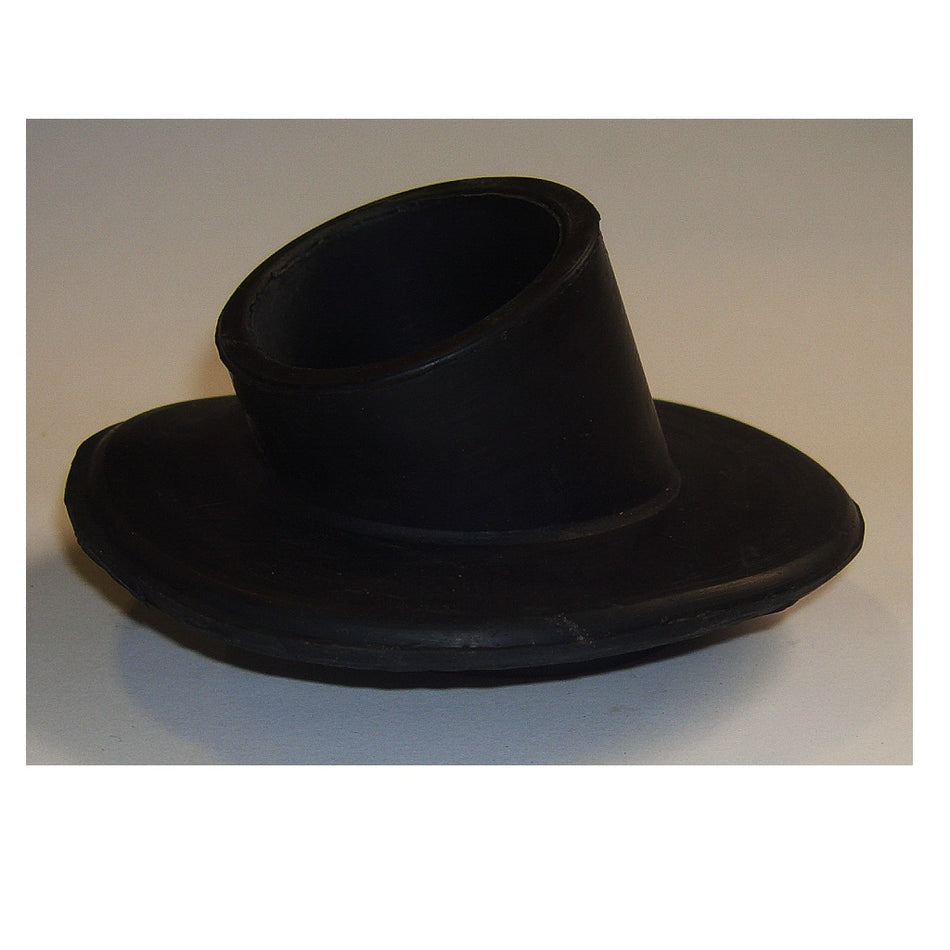
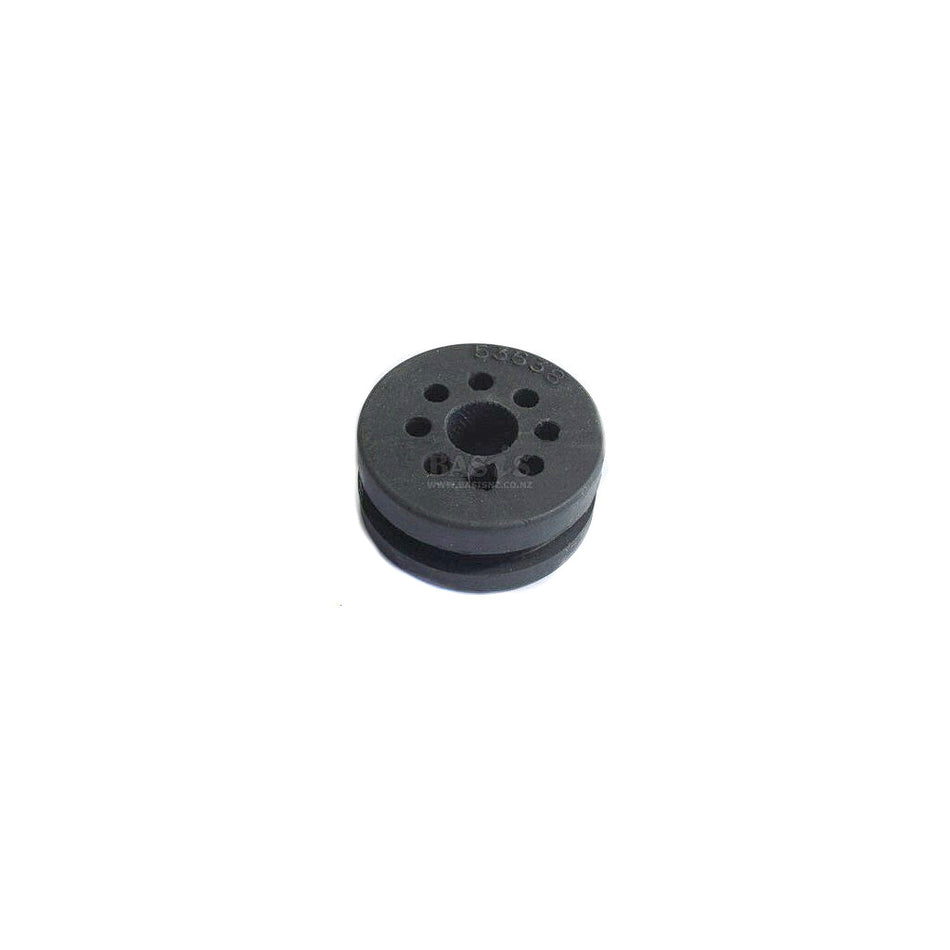
Series I and Series II are effectively one car for parts. The Series II (1938–39, 54,000 built) left the engine and running gear unchanged from the Series I (1935–37, 164,102 built). What changed was a painted rather than plated radiator surround and Easiclean disc wheels in place of wires. Both are 918cc Morris UB side-valve, three-bearing, single SU, 23.5bhp, three-speed, Lockheed hydraulic brakes, 6-volt Lucas with a third-brush dynamo, 7ft 6in wheelbase. Body rubber carries across between them.
Series E is a different car and shares almost nothing but the name. October 1938 to 1948, 120,434 built. New body with faired-in headlamps and a proper boot, wheelbase shortened to 7ft 5in, a four-speed gearbox with synchromesh on 2nd, 3rd and 4th, and a two-brush dynamo with automatic regulation in place of the third-brush unit. The engine is the Morris USHM 918cc side-valve — a new head, counterbalanced crank and shell bearings, 29bhp. Body rubber, glass and trim do not cross from Series I/II.
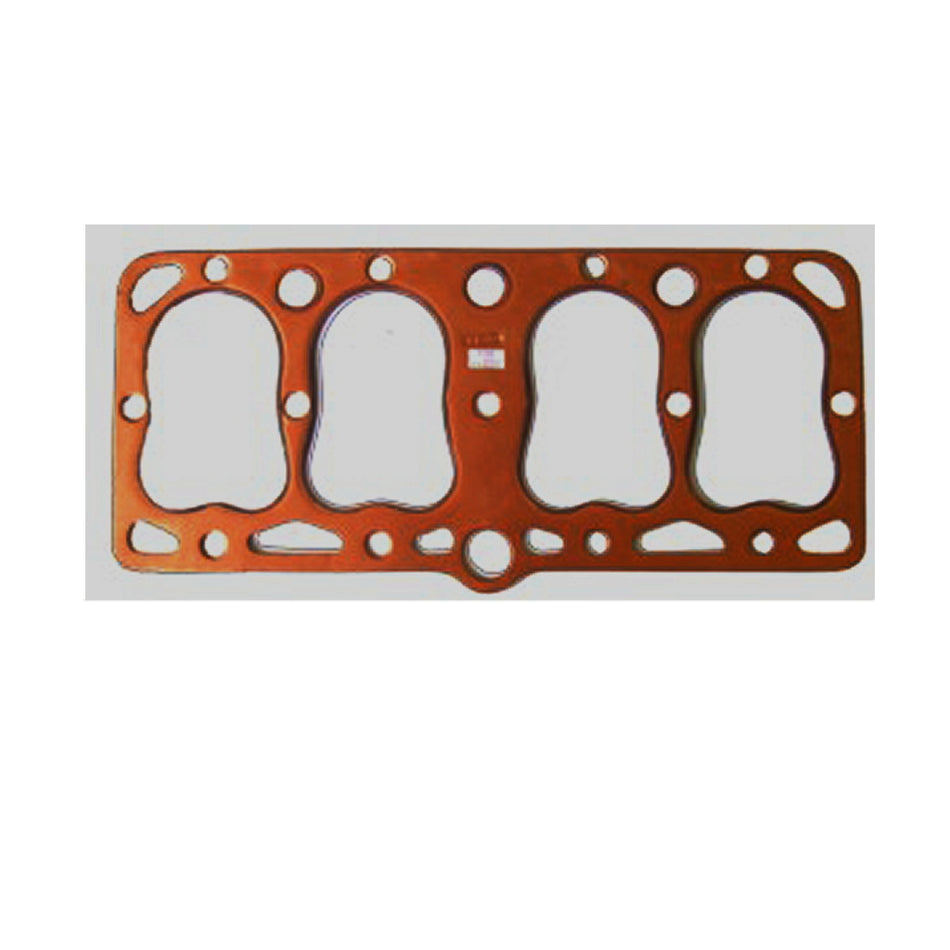
And here is why this model matters commercially. The Series E’s 918cc USHM side-valve went on, with very minor changes, into the Series MM Morris Minor from 1948 until 1953 — USHM2 for 1948–50 and USHM3 for 1950–53, with the changeover to the overhead-valve A-series in 1953. Gaskets, valves, water pump and side-valve internals are a genuine Series E to Minor MM cross-sell, and it runs in both directions. This engine never went into an Austin.
One correction worth making, because it travels. The Morris Eight was a 6-volt car, and people carry that across to the Minor because the engine carried across. The Morris Minor was 12 volt from 1948 to 1971. If you are shopping for both cars, do not assume one voltage for the pair.
The rest of the pre-war range, briefly, because it shares the brake story. The Ten, Twelve and Fourteen all moved from side-valve to overhead-valve at Series III in 1937–38 — head gaskets, valves and rocker gear split there. The Ten Series M (1938–1948) is the first unitary Morris, with the 1140cc X-series overhead-valve eight-port head, pressurised cooling and filtered lubrication, and it carries on into 1948 alongside the Eight Series E. The Twelve Series III went to 12 volts; everything smaller stayed at 6. All of them are Lockheed hydraulic — so a 1930s Morris takes wheel cylinders and flexible hoses, not cable linkages, at a time when much of the British industry was still on rods.
Morris Eight — specification & changes within the model
- Series I and II — one car for parts
-
918cc Morris UB side-valve, 3-bearing, single SU, 23.5bhp. Three-speed. Lockheed hydraulic. 6-volt, third-brush dynamo. 7ft 6in wheelbase. Series II changed only the radiator surround finish and wires-to-disc wheels. Body rubber carries across.
- Series E — a different car
-
New body, faired-in headlamps, integral boot. Wheelbase 7ft 5in. Four-speed, synchro on 2/3/4. Two-brush dynamo with automatic regulation. Engine: Morris USHM 918cc side-valve, new head, counterbalanced crank, shell bearings, 29bhp. No body rubber, glass or trim crosses from Series I/II.
- The Minor cross-sell
-
The Series E engine is the early Morris Minor engine. USHM1 in the Series E; USHM2 (1948–50) and USHM3 (1950–53) in the Minor MM. Gaskets, valves, water pump and side-valve internals cross both ways. It never went into an Austin.
- Voltage — do not carry it across
-
The Morris Eight is 6 volt. The Morris Minor is 12 volt, from 1948 to 1971. Same engine, different electrical system. This is where the “early Minors are 6 volt” myth comes from.
- Production
- Series I 164,102 · Series II 54,000 · Series E 120,434.
- The wider pre-war range
-
Ten, Twelve and Fourteen go side-valve to overhead-valve at Series III, 1937–38. Ten Series M is the first unitary Morris — 1140cc X-series OHV, eight-port head. Twelve Series III went to 12 volts; everything smaller stayed at 6. All Lockheed hydraulic.
- Not claimed
-
Earth polarity. We will not guess it. No marque club, period road test or factory document we would stand behind states positive or negative earth for this car. Nominal voltage we can give you — and it is worth saying that the Morris Minor was 12 volt from the first car in 1948 to the last in 1971. Check the car before you order anything polarity-sensitive. We also have no production figure for the Morris Twelve, no brake specification or production figure for the Fourteen, and nothing on New Zealand assembly of any pre-war Morris.