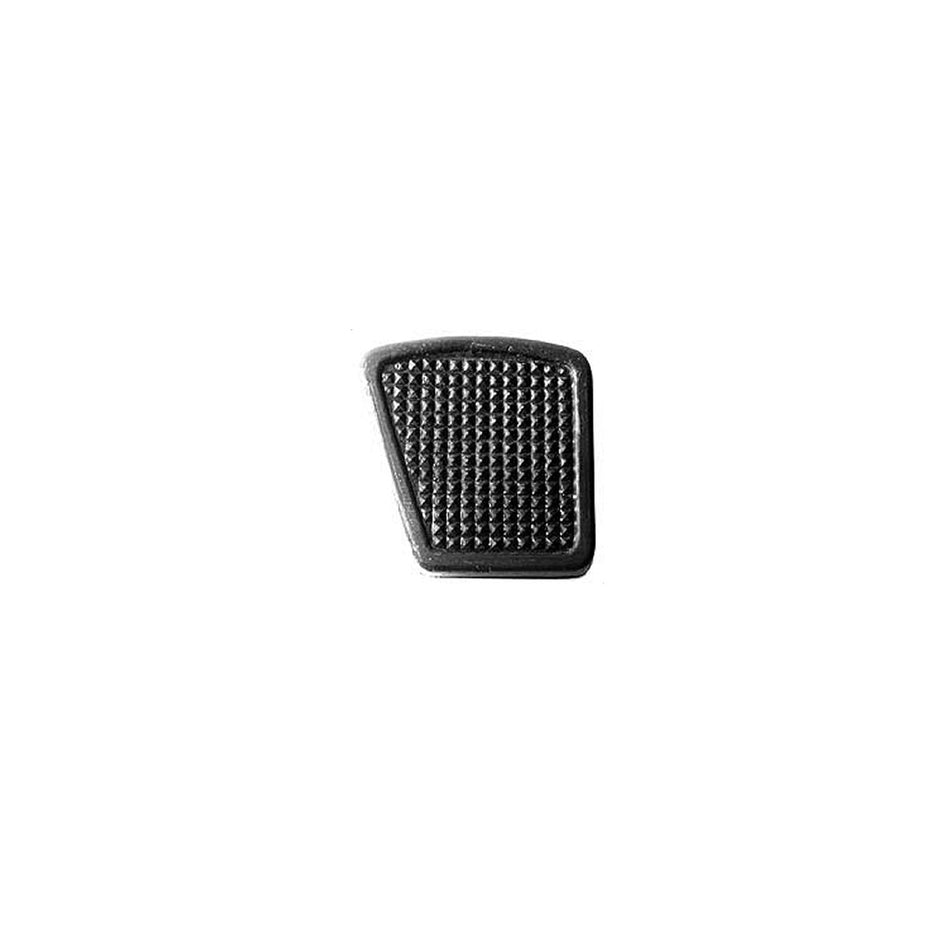
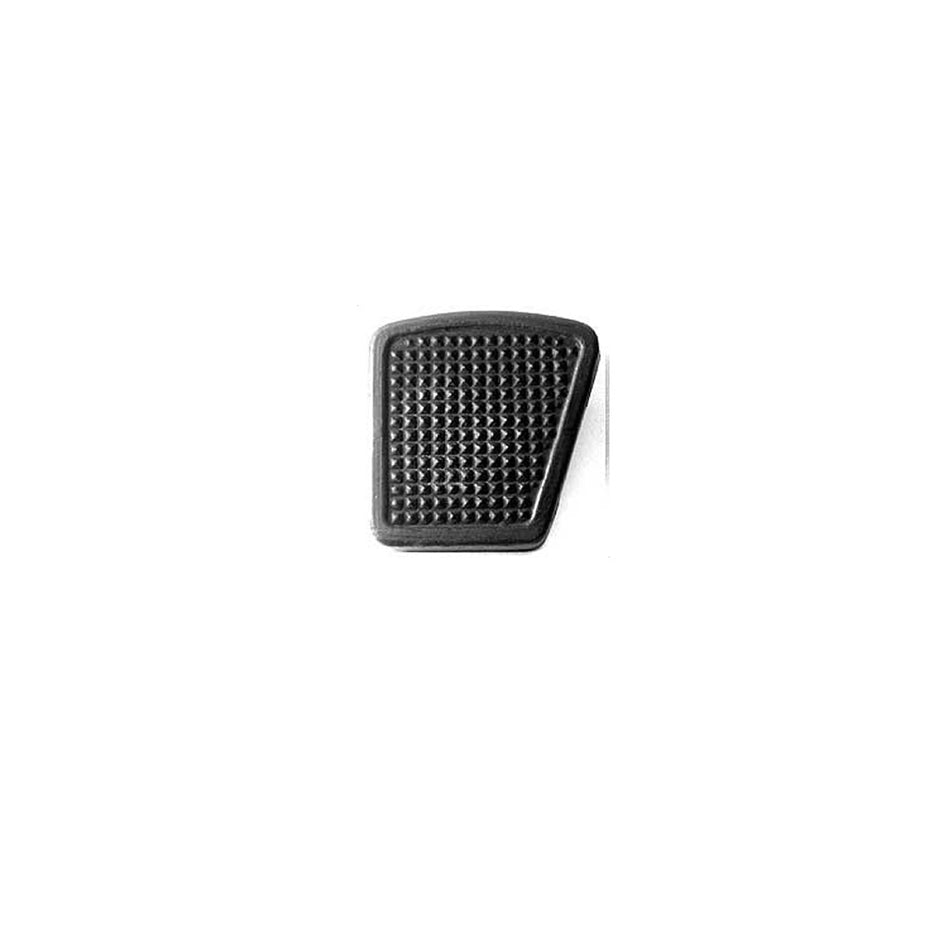
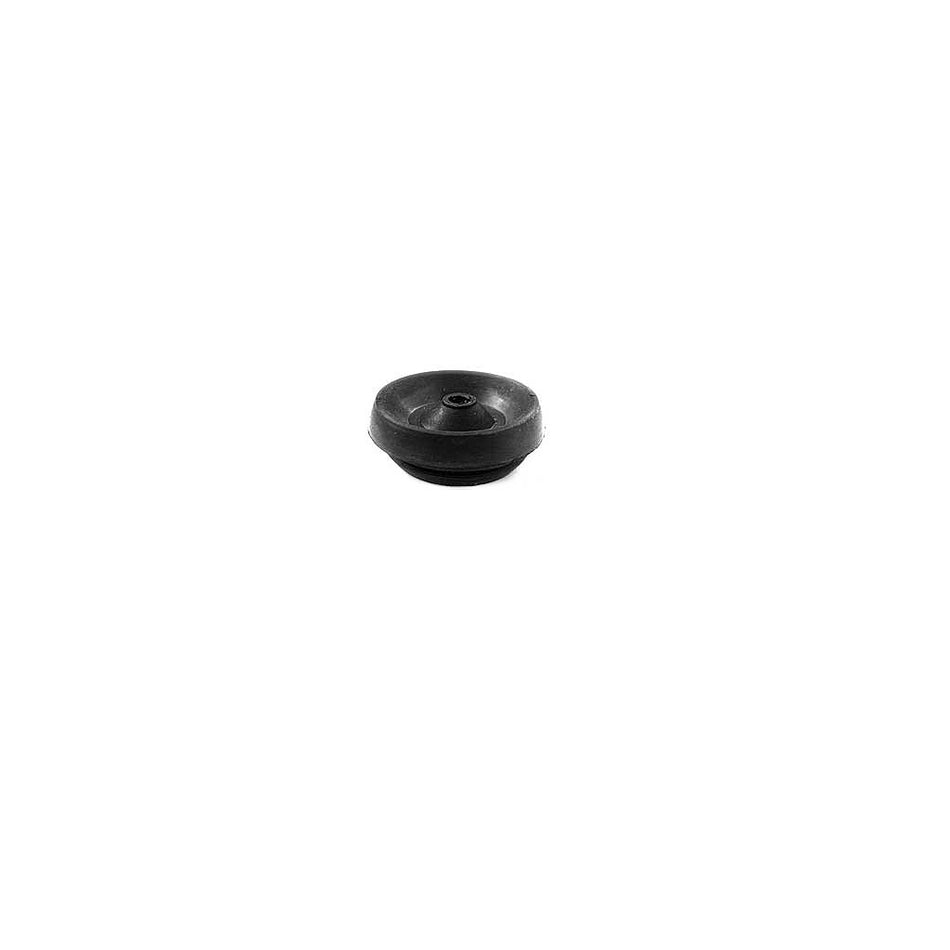
The mark where the Consul name disappears and the four-cylinder car becomes the Zephyr 4.
From April 1962 there is no Consul. The four-cylinder car is the Zephyr 4, on the 1703cc engine inherited straight from the Consul 375, 68bhp. The six is the Zephyr 6, 2553cc and 98bhp. Above both sits the Zodiac on the same six at 103bhp (Wikipedia says 109), and the quickest way to tell a Zodiac from a Zephyr 6 is the headlamps — four against two. The body was styled by Roy Brown, who had done the Edsel and would do the Cortina, with the rear end taken from a Frua proposal.
Mechanically the Mk3 is the easy one to answer questions about, because there is no mid-life split. Servo-assisted front discs and rear drums are standard across the whole range from the start, MacPherson struts are at the front and a leaf-sprung live axle at the back, and the gearbox is a four-speed all-synchromesh with a column change, with overdrive or automatic on the options list. The Zodiac Mk3 also gets its own grille, limousine-type rear doors, a sharper roofline with a narrower C-pillar, its own bumpers and plusher trim — 100.7mph and 0–60 in 13.4 seconds. Seaview built Zephyrs and Zodiacs throughout: 3,103 of them in 1966 alone, 4.9 per cent of the New Zealand market.
Ford Zephyr Mk3 — specification & changes within the model
- Brakes
-
Servo-assisted front discs and rear drums, standard across the range, whole run. No option, no mid-life change to catch you out.
- Zephyr 4 or Zephyr 6
-
Zephyr 4 — 1703cc four, 68bhp, the engine from the Consul 375. Zephyr 6 — 2553cc six, 98bhp. There is no Consul Mk3.
- Zephyr or Zodiac
-
Four headlamps = Zodiac. Two = Zephyr 6. The Zodiac also has its own grille and bumpers, limousine-type rear doors and a narrower C-pillar. 103bhp (GB Classic Cars) or 109bhp (Wikipedia).
- Gearbox
-
Four-speed all-synchromesh, column change. Overdrive and automatic optional.
- Suspension
- MacPherson strut front, leaf-sprung live axle rear.
- New Zealand
- Assembled at Seaview, Lower Hutt. 3,103 Zephyrs and Zodiacs built here in 1966, 4.9 per cent of the market.