The reverse-rake Anglia, and the engine that outlived it by a quarter of a century.
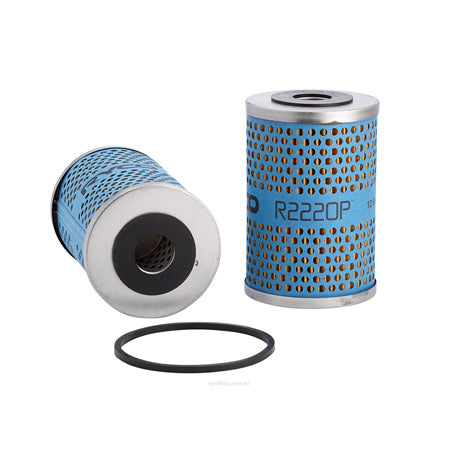
The 997cc Kent that went under the Anglia’s bonnet in September 1959 is the landmark, not the rear window. Bore 80.96mm against a stroke of 48.41mm — a ratio of about 1.67 to 1, violently oversquare at a time when long-stroke side-valves were still normal in British small cars. The short stroke kept piston speeds down and let it rev; the ports are independent and non-siamesed, four in and four out; the oil filter and pump are a combined unit hung on the outside to keep it cheap to build; and the head is reverse-flow, inlet and exhaust on the same side. 39bhp at 5,000rpm. That engine became the Kent family and ran in one form or another to 1983 and well beyond in Caterhams and Morgans. As for the rear window — the wet-weather story was marketing, and the shape was copied from the 1958 Lincoln Continental. Ford did not invent it.
From September 1962 the 123E Super brought the 1198cc longer-stroke Kent across from the Cortina, 48.5bhp at 4,800rpm and just under 83mph claimed, and an all-synchromesh gearbox — the launch cars have synchromesh on the top three only. The four-speed box was Ford Britain’s first in a production saloon. Suspension is MacPherson strut front with coils, telescopic dampers and an anti-roll bar; semi-elliptic leaf springs and a live axle at the rear. 12 volt with a dynamo and a separate control box. The estate arrived September 1961, and the Thames 307E vans from June 1961, becoming 309E from October 1962 when they got the 1198, and rebadged from Thames to Anglia in 1965. A timing chain tensioner was added in 1961 — if yours rattles, it is an early one. In New Zealand the Anglia was assembled at Seaview, Lower Hutt; 2,118 of them in 1966 alone, 3.3 per cent of the entire market. Australia built them at Broadmeadows.
Ford Anglia 105E — specification & changes within the model
- Brakes — and the answer is no
-
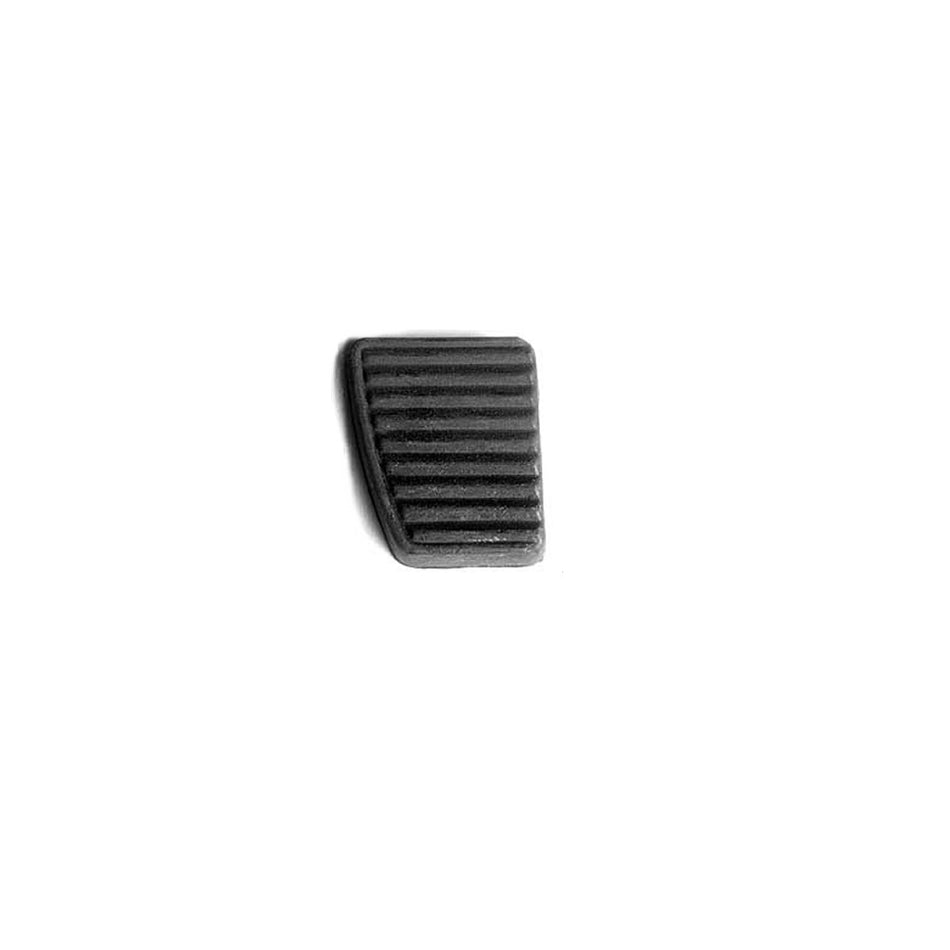
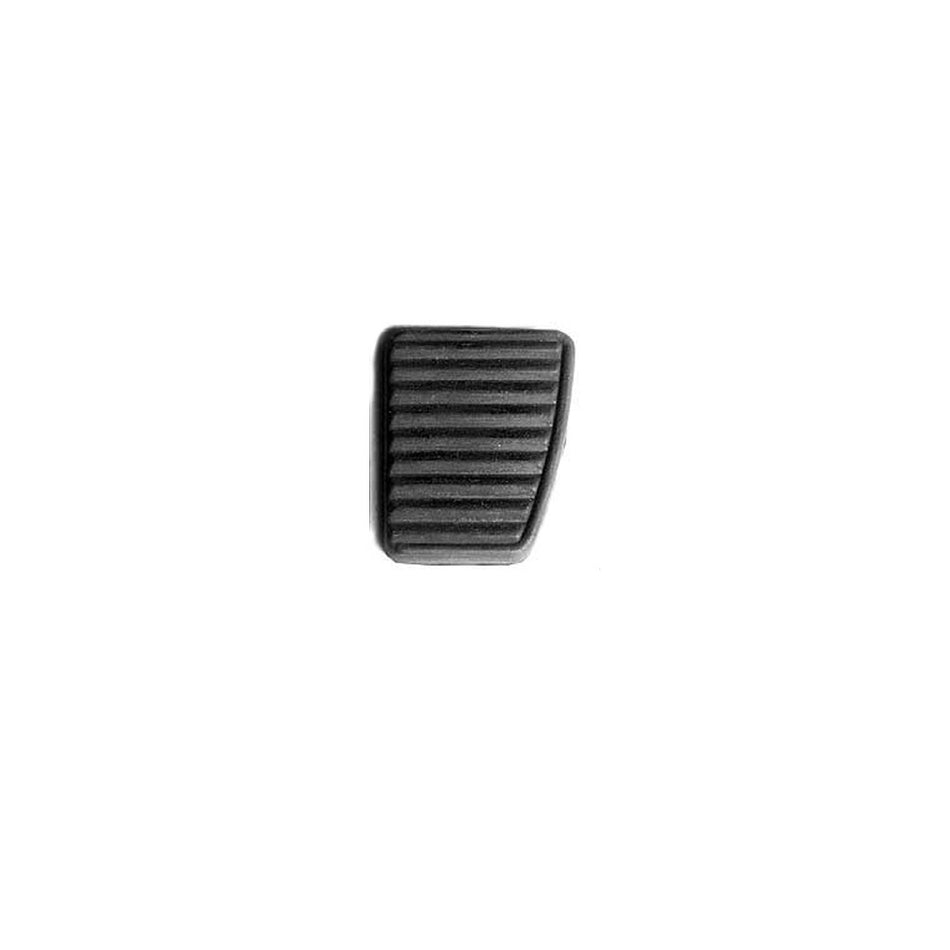
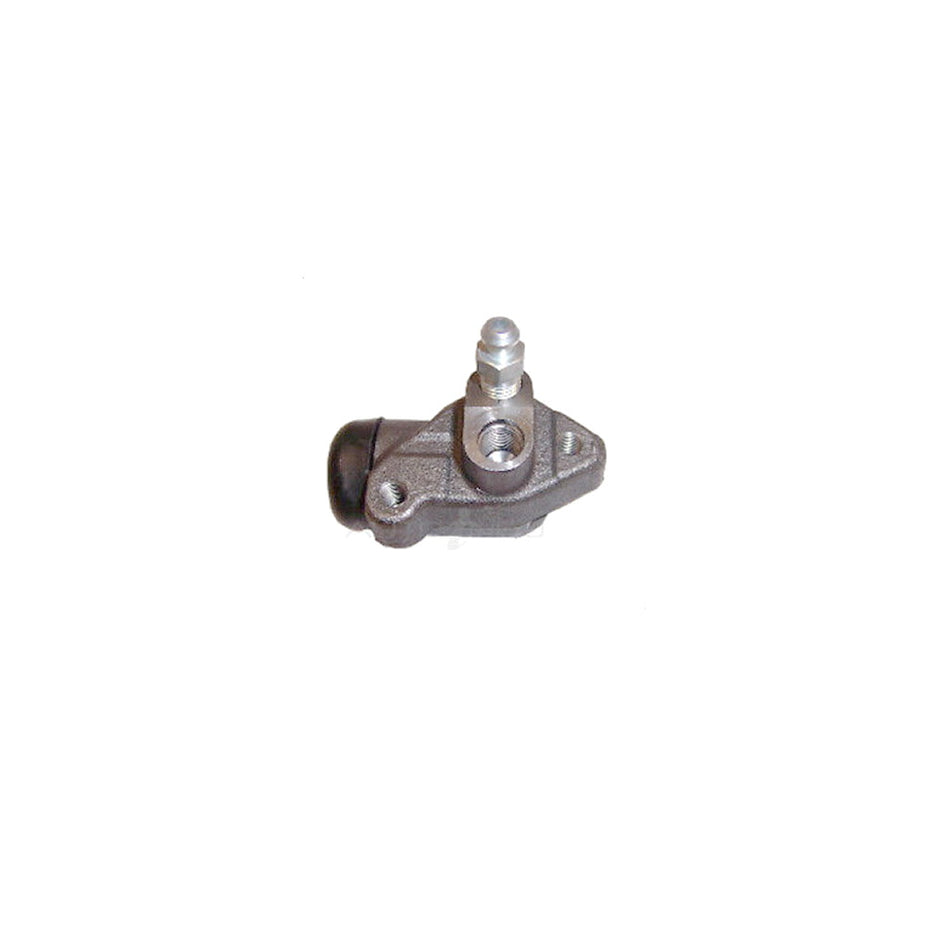
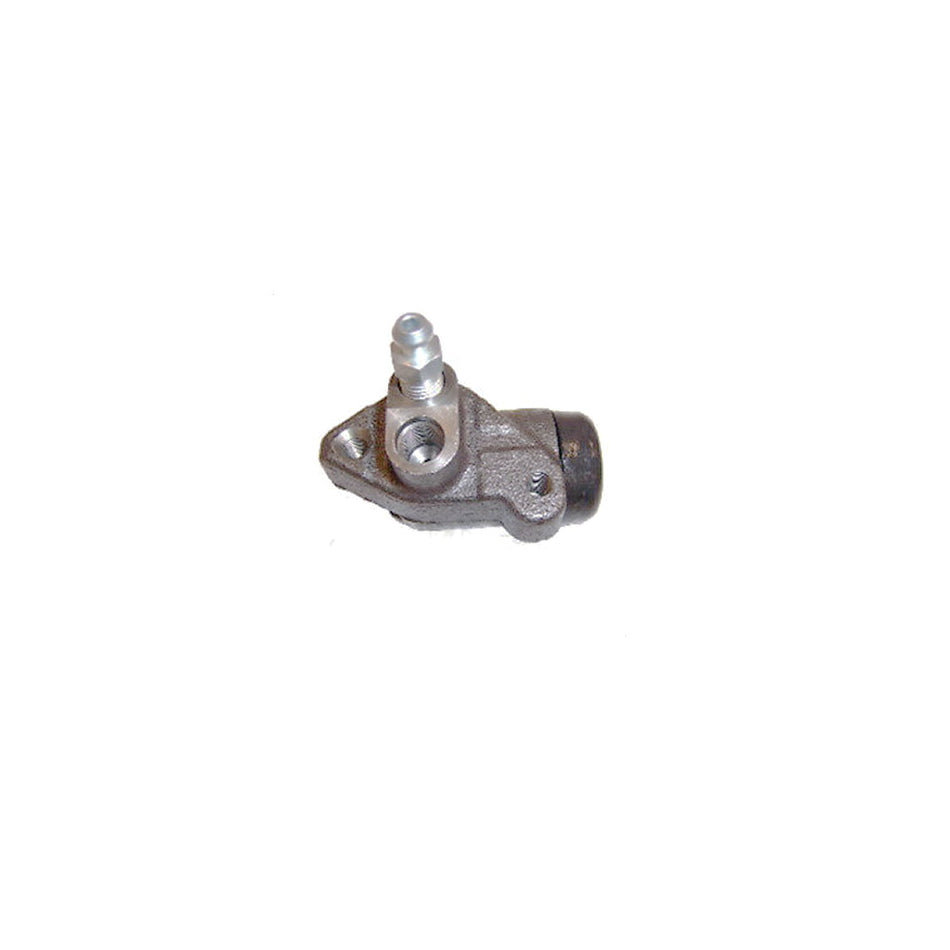
8in × 1¼in drums all round, twin leading shoe at the front, for the entire production run. No factory front disc option was ever offered on any 105E or 123E — saloon, estate or van. The Estate has larger rear wheel cylinders and a lower axle ratio than the saloon. That is a real parts split.
- 105E or 123E
-
105E — 997cc, 39bhp at 5,000rpm, single Solex 30. 123E Super, from September 1962 — 1198cc, 58.2mm stroke, 48.5bhp at 4,800rpm, all-synchromesh gearbox.
- Gearbox
- Four-speed. Synchromesh on the top three only at launch; all-synchromesh from September 1962 on the 1198cc cars.
- Suspension
- MacPherson strut front, coils, telescopic dampers, anti-roll bar. Semi-elliptic leaf springs and a live axle at the rear.
- Electrics
-
12 volt with a dynamo and a separate voltage regulator / control box. Original polarity is not stated by any source we would stand behind — including the owners’ club’s own alternator-conversion article. Check the car.
- The timing chain
-
A tensioner was added in 1961. Pre-1961 engines are the ones with the reputation for rattling.
- 107E — the other way round
- The Prefect 107E is a 100E body on 105E mechanicals. Mechanically it is this car; bodily it is not. Its rubber is on the 100E page.
- Numbers
- Two incompatible sets are published. 205,001 vans is common to both and is safe. For the cars, “around 1.3 million Anglias of all types” is the honest figure — we will not pick a saloon number the sources cannot agree on.