- Built
- Carburettor cars from September 1968, injected from November 1968, to July 1976. 91,850 built — 13,703 PI and 78,147 carburettor. 8,370 UK, 83,480 export.
- The prefixes
-
CP injection, 1968–72, 150bhp @ 5500 · CR injection, 1973–75, 125bhp @ 5000 · CC carburettor, North America, 1968–72, 104bhp · CF carburettor, North America, 1973–76, 106bhp. First letter pair = fuel system and era.
- The power drop
- At the CP to CR change: the milder camshaft from the carburettor cars, a revised injection pump, and compression 8.5:1 down to 7.75:1. Part of the apparent loss is the SAE to DIN rating change. The camshaft difference is real — CP and CR cams are different parts.
- The Karmann restyle
-
Front and rear only. Chassis and centre body tub are TR5 and TR250, so mechanical and centre-body parts cross backwards; nose and tail panels do not.
- Brakes
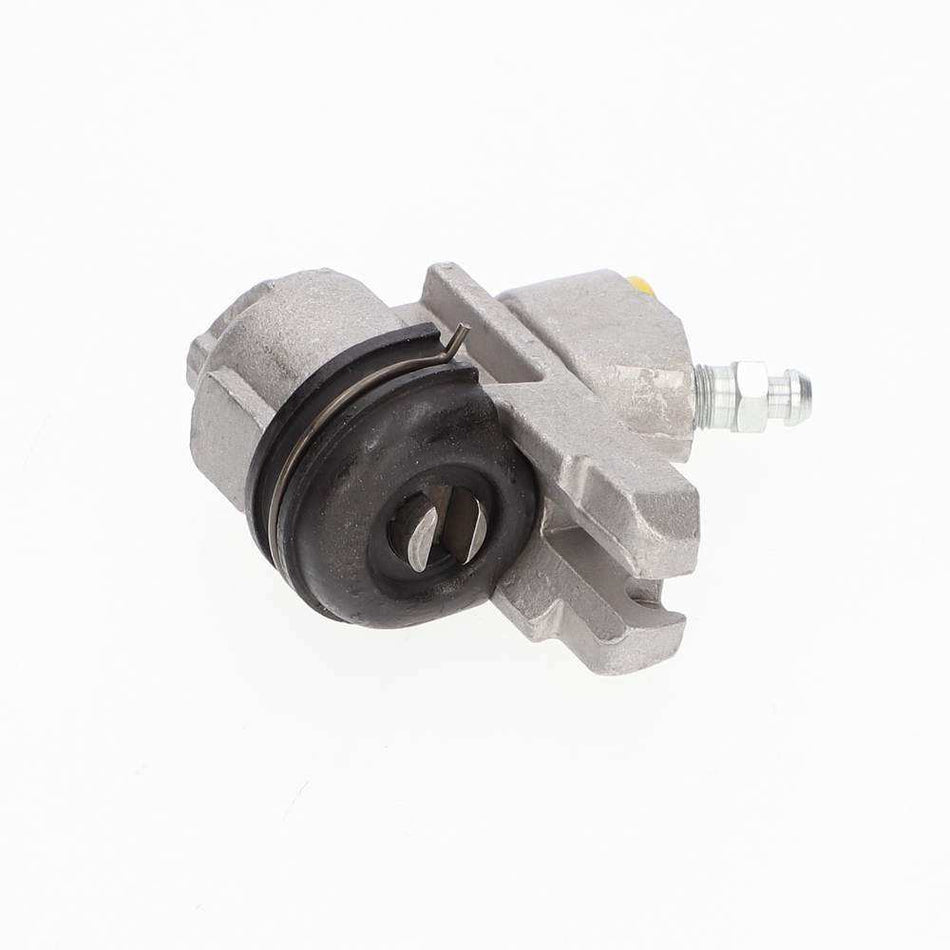
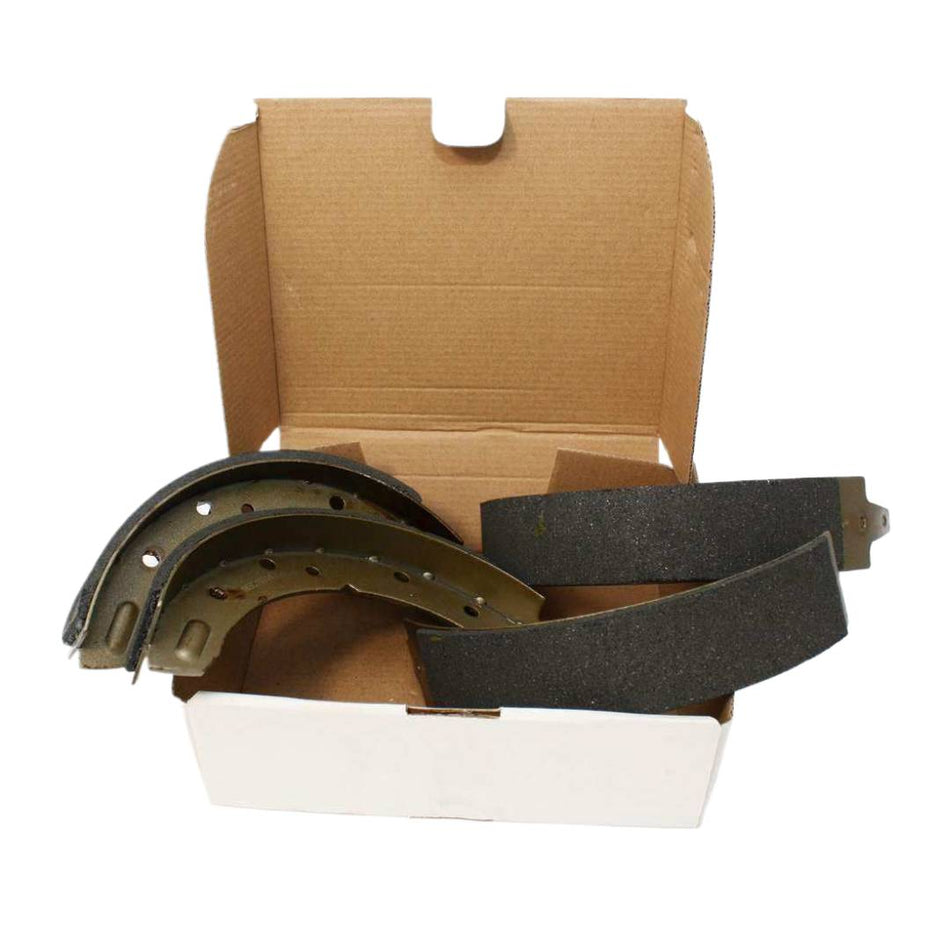
- Front discs, rear drums, as the TR5. Calipers change twice: TR4-type 16P, then 16B, then metric thread from 1972. Check the thread before ordering.
- Anti-roll bars
-
Front bar standard. A rear bar is an upgrade, not a factory fitment you can assume — sources disagree on whether it was ever a factory option and none gives a date.
- Overdrive
-
Laycock A-type, 22 per cent, on second, third and fourth. Then J-type, 28 per cent, on third and fourth ONLY — the gear availability changes, not just the unit. Usually dated 1973, though one source says 1971. Identify the unit. Overdrive became standard in 1974.
- Commission plate
-
Left front wheel arch on early cars, left door post on later ones. If a customer cannot find a number, they may be looking in the wrong place.
- Other dated changes
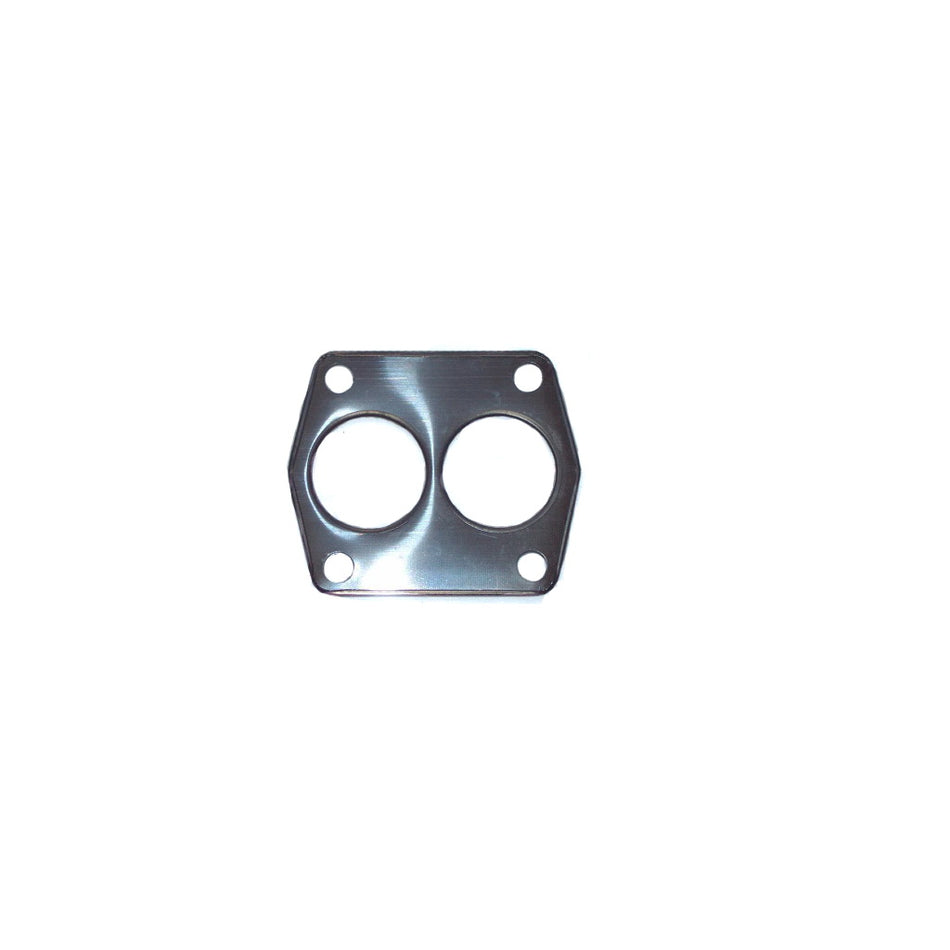
- Ignition switch moves from dash to steering column, 1970 · twin downpipe exhaust on carburettor cars, 1972 · front spoiler added and wire wheels deleted, 1973 · air injection, 1975.
- Electrics
- Negative earth.