1966–1979 · the Arrow range · one shell, six marques · Rootes’ first MacPherson strut car
Hunter, Minx, Vogue, Gazelle, Sceptre Mk III and the Rapier saloon running gear are one car.
The Arrow is the shell that carried Rootes into the seventies, and its mechanical package is the same underneath every badge: MacPherson struts and an anti-roll bar at the front — a Rootes first — a live rear axle on semi-elliptic leaf springs, 9.61in (244mm) front discs with rear drums, recirculating-ball steering at 3.3 turns lock to lock, and 12-volt electrics with a Lucas alternator. The engine is the 1725 slanted ten degrees in the bay, cast-iron block and light-alloy head, with a 1496 in the cheaper cars. Power-assisted brakes only became a factory option in May 1968 — before that a servo is a retrofit. The one real exception to all this sharing: the Sunbeam Rapier and Alpine fastbacks have their own two-door upper body, so their roof, doors and glass are unique and do not cross to the saloons.
Three facelifts identify the car, and the last one splits parts. 1970 brought new grilles across the trim levels and swapped wood for plastic on some fascias. 1972 brought an all-plastic dashboard with deeply hooded round dials, a new steering wheel, a plastic air cleaner and reshaped squarer headlamps in a new grille. 1975 enlarged the bumpers and enclosed the tail lights in a full-width anodised aluminium trim piece — rear lamp and seal parts split there. New Zealand is a real part of this car’s story: Todd assembled Hunters from 1967, and made its own versions — an upmarket Singer Vogue with a wood-veneer dash and door cappings, 1967–71, then a 1973 Hunter GL with a simplified four-headlamp nose taken from the Humber Sceptre and its own tail treatment. Todd built the last Chrysler-badged Hunter anywhere, in 1979.
Hillman Hunter — specification & changes within the model
- Brakes
-
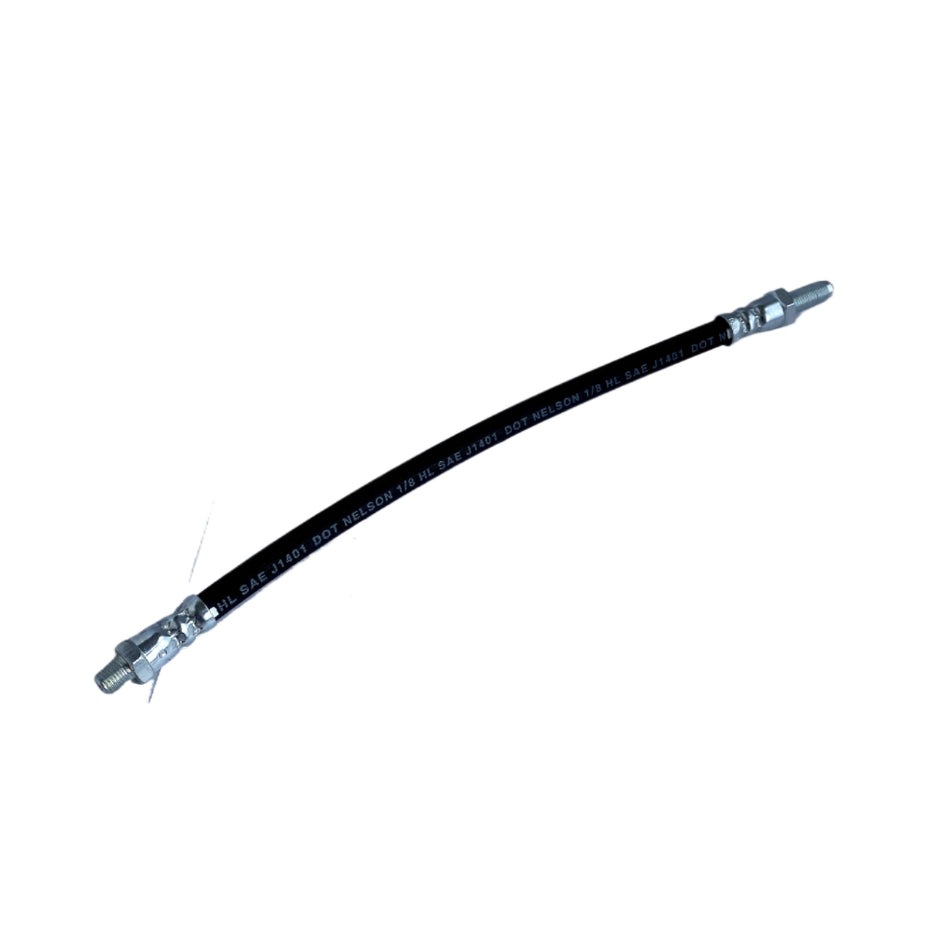
9.61in (244mm) front discs with rear drums, from launch, across the whole Arrow range. Power assistance became a factory-fitted option only in May 1968 — a servo on an earlier car is a retrofit kit.
- Suspension and steering
-
MacPherson struts, coil springs, telescopic damper struts and an anti-roll bar at the front — the first Rootes car to use them. Rigid rear axle on semi-elliptic leaf springs with telescopic dampers. Recirculating-ball steering, 3.3 turns lock to lock. Wheelbase 98.5in.
- That rotten boot floor is a seal
-
The Arrow’s rear screen rubber is a known failure and it rots the boot floor. On a Sceptre Mk III the walnut veneer delaminates because the windscreen leaks. Also check inner and outer sills, front floorpans, rear chassis legs, door bottoms, front wing joins, wheelarches, rear shock absorber top mounts and MacPherson strut top plates.
- The 1972 and 1975 identification points
-
Round headlamps = pre-1972. Squarer headlamps in a new grille = 1972 on. Separate tail lamps = pre-1975. Full-width anodised aluminium trim piece enclosing the tail lights = 1975 on. Rear lamp and seal parts split at 1975.
- Same car, other badges
-
Hillman Hunter · Hillman Minx (1967–70) · Hillman GT and Hunter GT/GLS · Singer New Vogue · Singer Gazelle · Humber Sceptre Mk III · Sunbeam Rapier and H120 · Sunbeam Alpine fastback · Chrysler Hunter · Iran Khodro Paykan. The Singer New Vogue was the first British car with rectangular headlamps.
- The fuel tank problem
- Rootes used an internal paint treatment in the tank that flakes and blocks the fuel system. Black particles in the filter mean flush the tank, not just replace the pump.
- New Zealand — Todd built its own
-
NZ Singer Vogue, 1967–71, an upmarket Hunter with a wood-veneer dash and door cappings — not the UK Super Minx-based Vogue, a different car. NZ Hunter GL, 1973, with a simplified four-headlamp nose from the Humber Sceptre and a silver strip below the tail lights carrying the reversing lamps. Todd’s own upholstery designs from the 1969 update, and a lower-specification NZ estate with an iron-head 1725 and no automatic option.
- The Minx name ends here
- The Arrow Minx of 1967–70 is a decontented Hunter — visually the same car, 1496cc, with interior equipment deleted. In 1970 it became the Hunter Deluxe 1500 and the Minx name was dropped after 37 years. Its parts are Hunter parts, not Audax Minx parts.
- Not claimed
-
Earth polarity and any chassis or VIN breakpoint for any Arrow car. 12 volt with a Lucas alternator and a 40Ah battery is confirmed.