A genuine engineering marque until 1957 · a trim level after it · and the Girling brakes are the reason Minor owners come looking
The Pathfinder is the last Riley with a Riley engine. 1953–57, 5,536 built: a 2443cc twin-cam four, twin SU, 110bhp, 12in Girling drums with a Clayton Dewandre servo as standard, torsion-bar independent front suspension, and coil rear springs changing to leaf late in production. The body was designed by Gerald Palmer alongside the Wolseley 6/90. Then, August 1957, the Two-Point-Six arrives — virtually identical to the Wolseley 6/90 Series III, with the 2639cc BMC C-series replacing the Riley Big Four. That is the moment. Everything after it is a badge on somebody else’s car.
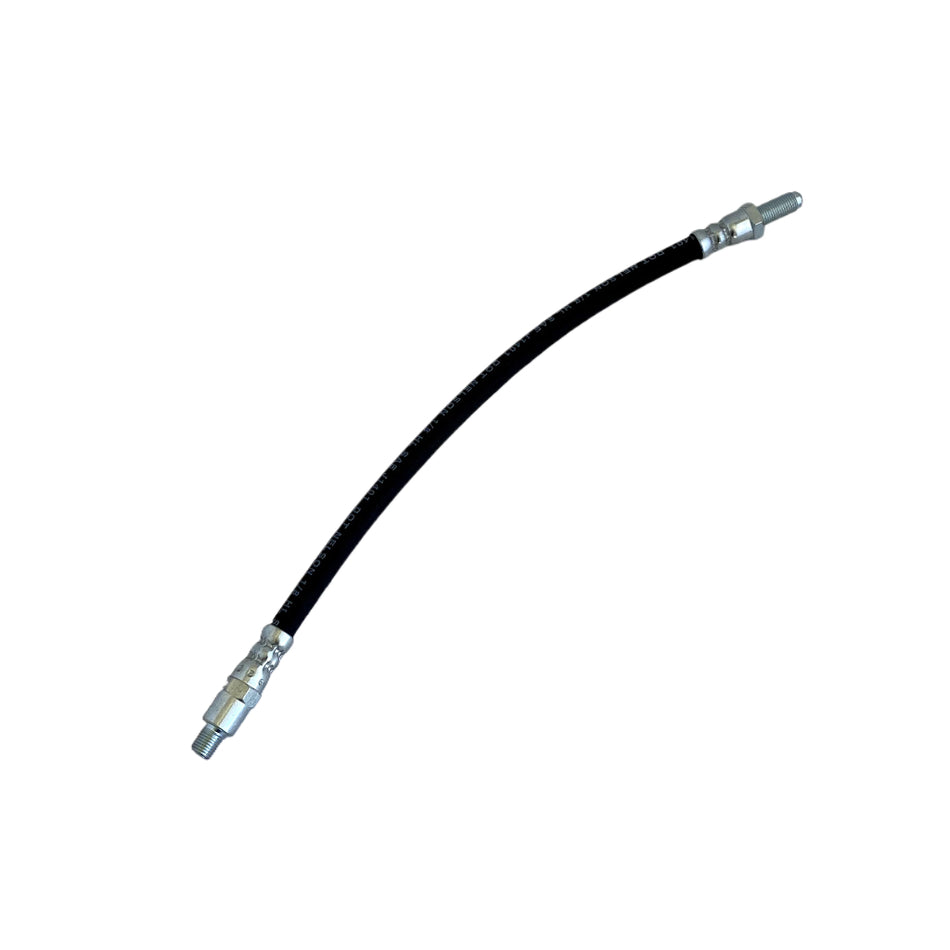
The Riley One-Point-Five is the one Morris Minor owners come looking for, and they are right to. It shares the Minor’s floorpan, torsion-bar front suspension and rack-and-pinion steering — and nothing else. Different body, 1489cc B-series engine, MG Magnette gearbox. And it is not a Wolseley 1500 with a badge either. The Riley runs twin 1½in SU H4 carburettors against the Wolseley’s single 1¼in, a sportier cylinder head, 68bhp against about 50 — and, critically, a larger Girling brake system where the Wolseley runs a smaller Lockheed one. Those Girling brakes are sought after as a Morris Minor upgrade, which is why this car matters to us out of all proportion to the 19,568 built. November 1957 to 1965; Series II from May 1960, Series III from October 1961, and from October 1962 uprated internals — crank and bearings from the 1622cc Austin Cambridge unit, but still 1489cc.
The Farina Rileys are Oxfords with twin carburettors and a rev counter. 4/68 (Apr 1959–1961, 10,940 built) and 4/72 (Oct 1961–1969, 14,151 built): 1489cc then 1622cc B-series, twin SU HD4, 64bhp and 68bhp, and Girling hydraulic 9in drums front and rear like every other four-cylinder Farina. Riley is the only one of the five Farina badges with a rev counter as standard, and Riley and Wolseley have slightly less acute tail fins than the Austin and Morris — a panel difference, not a glass one. One more first worth knowing: the 4/72 was the first mass-produced car in Europe to adopt the Borg-Warner 35 automatic.
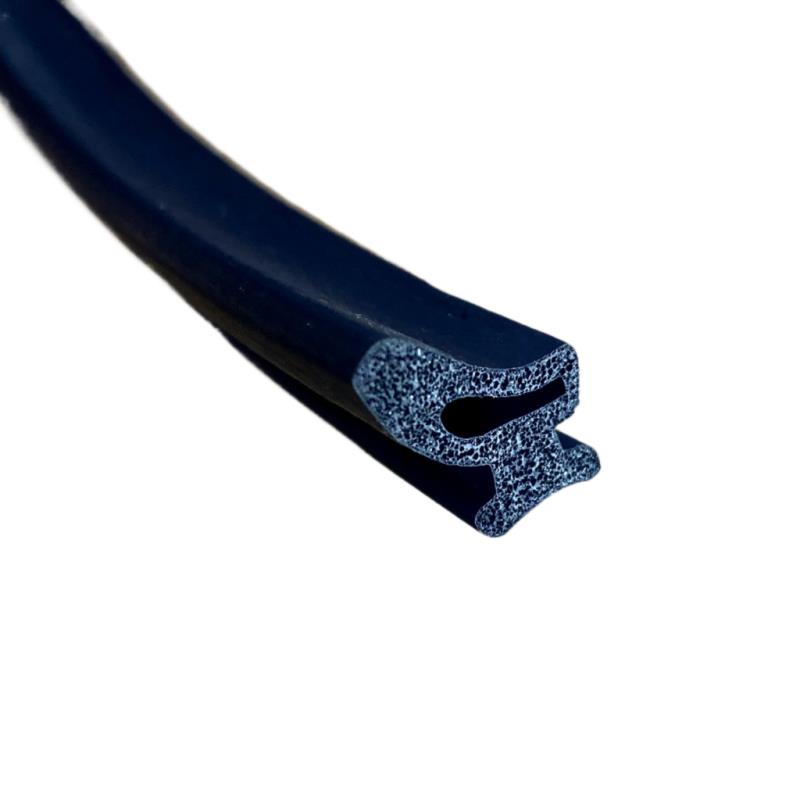
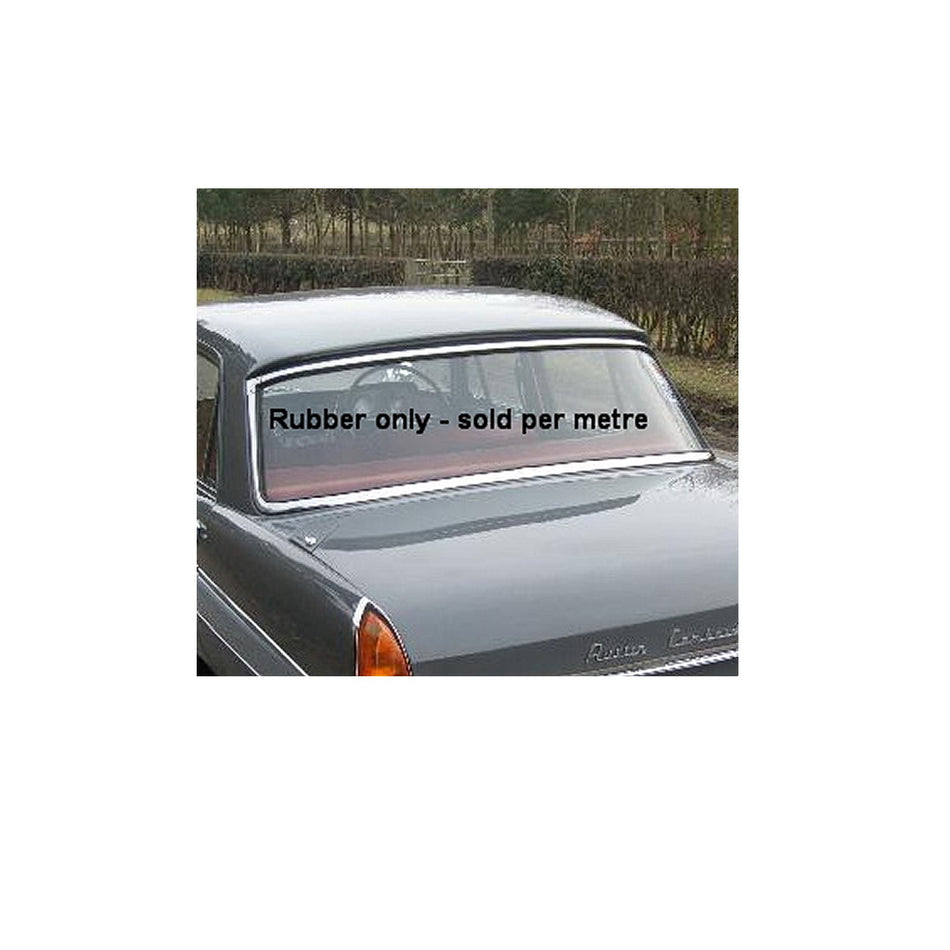
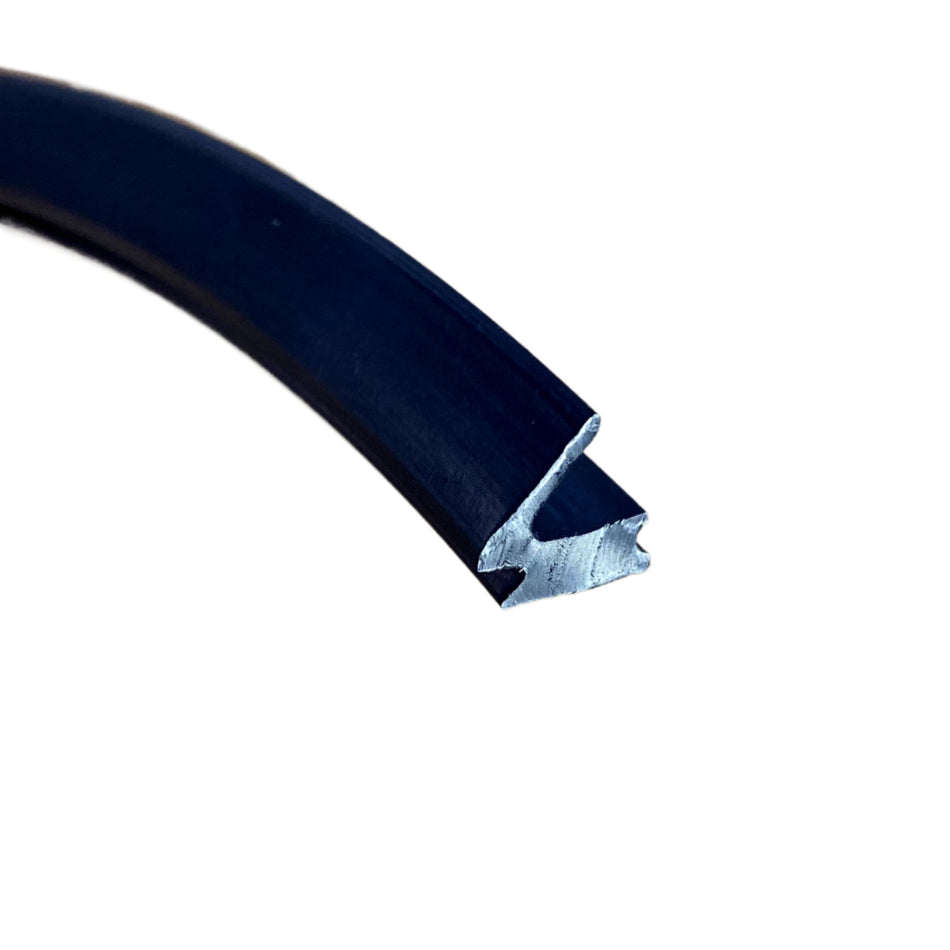
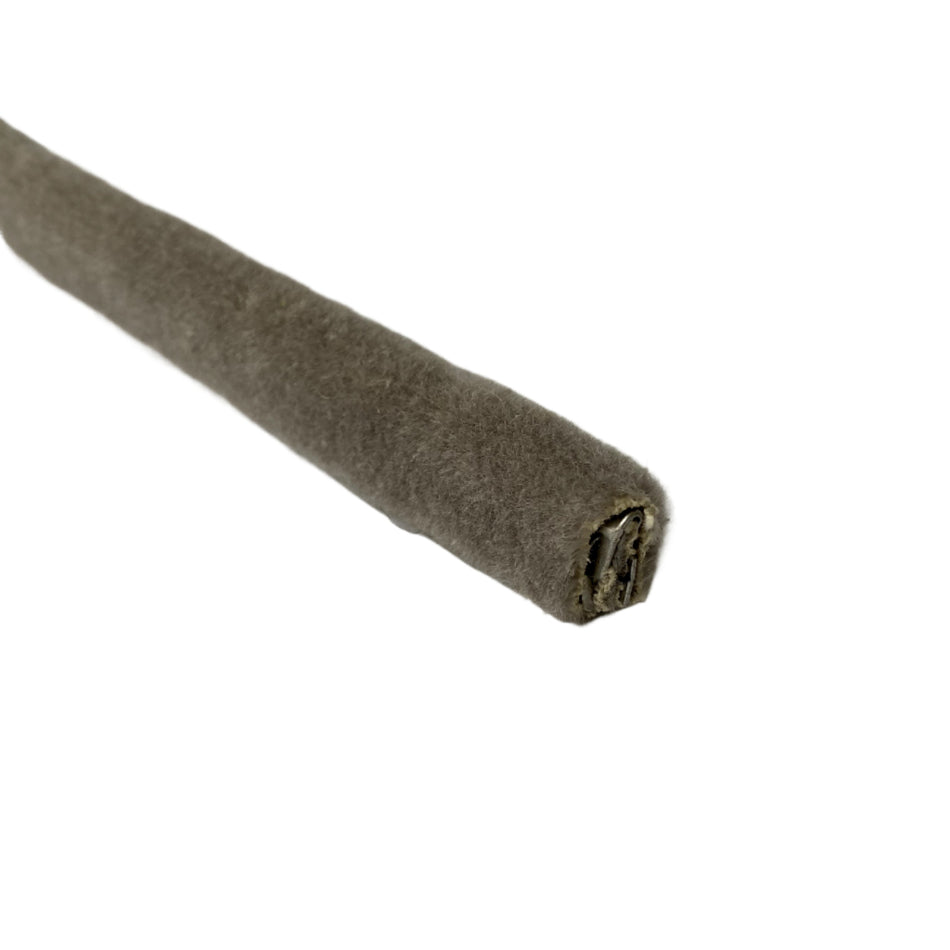
The Kestrel is an ADO16 with three round dials. September 1965 to 1969, 21,529 Riley Kestrel and 1300 cars built. Twin SU throughout — 55bhp on the 1098, 65bhp and then 70bhp from October 1968 on the 1275 — against the single SU on the Austin and Morris cars. Shell, glass, body rubber, subframes, 8in front discs, rear drums and Hydrolastic are all common to all six ADO16 badges: one windscreen seal, ARA1392 / ES35, fits the lot. There is no Riley estate — the Traveller and Countryman are Morris and Austin only. Search both “Kestrel” and “1300”; no source we found states whether the name was formally changed mid-run.
And the Riley Elf, which is the New Zealand one. A booted Mini, October 1961 to 1969, 30,912 built, and 1,975 of them were assembled in New Zealand between 1965 and 1970. Mk1 848cc, Mk2 998cc with twin-leading-shoe front brakes introduced, Mk3 998cc; rubber cone springs 1961–63, Hydrolastic from October 1964. It has unique rear windows, pillars, quarterlights, chrome trim and body panels, so Mini body rubber does not all cross — which is the single most useful thing to know before ordering anything for one.
Riley — specification & changes within the model
- The date that matters — August 1957
-
Before: Riley engines. The Pathfinder (1953–57, 5,536 built) has a 2443cc twin-cam four, 110bhp, twin SU, 12in Girling drums with a Clayton Dewandre servo as standard. After: the Two-Point-Six, with the BMC 2639cc C-series, virtually identical to the Wolseley 6/90 Series III.
- Riley One-Point-Five — and why Minor owners want it
-
Shares the Minor floorpan, torsion-bar front and rack-and-pinion steering. Nothing else. 1489 B-series, MG Magnette gearbox. Twin 1½in SU H4, 68bhp, larger GIRLING brakes — against the Wolseley 1500’s single 1¼in SU, ~50bhp and smaller Lockheed system. The Girling brakes are a sought-after Minor upgrade. 19,568 built, 1957–1965.
- Farina Rileys
-
4/68 (1959–61, 10,940) and 4/72 (1961–69, 14,151): twin SU HD4, 64 and 68bhp, Girling 9in drums front and rear. The only Farina badge with a rev counter as standard. Slightly less acute fins than the Austin and Morris — panels, not glass. First mass-produced car in Europe with the Borg-Warner 35 automatic.
- Riley Kestrel / 1300
- Sep 1965–1969, 21,529 built. Twin SU: 55bhp (1098), 65 then 70bhp from Oct 1968 (1275). Shell, glass, rubber, subframes, 8in front discs, rear drums and Hydrolastic common to all six ADO16 badges — one windscreen seal, ARA1392 / ES35. No Riley estate.
- Riley Elf — and it was built here
- Oct 1961–1969, 30,912 built, of which 1,975 were assembled in New Zealand, 1965–1970. Mk1 848cc, Mk2 998cc introduces twin-leading-shoe front brakes, Mk3 998cc. Rubber cone springs 1961–63, Hydrolastic from Oct 1964. Unique rear windows, pillars, quarterlights, trim and panels — Mini body rubber does not all cross.
- Not claimed
-
Earth polarity. We will not guess it. No marque club, period road test or factory document we would stand behind states positive or negative earth for this car. Nominal voltage we can give you — and it is worth saying that the Morris Minor was 12 volt from the first car in 1948 to the last in 1971. Check the car before you order anything polarity-sensitive. Which New Zealand plant assembled the Riley Elf is not stated by any source, only that 1,975 were built here 1965–70. Nor is local assembly of the 4/68, 4/72, One-Point-Five or Kestrel established either way. And no source states whether “Riley Kestrel” was formally dropped for “Riley 1300” during the Mk2 run — both names are in period and modern use.