Distributor Caps

Distributor Caps · Basis NZ

Distributor caps for 1920s–1980s classic cars

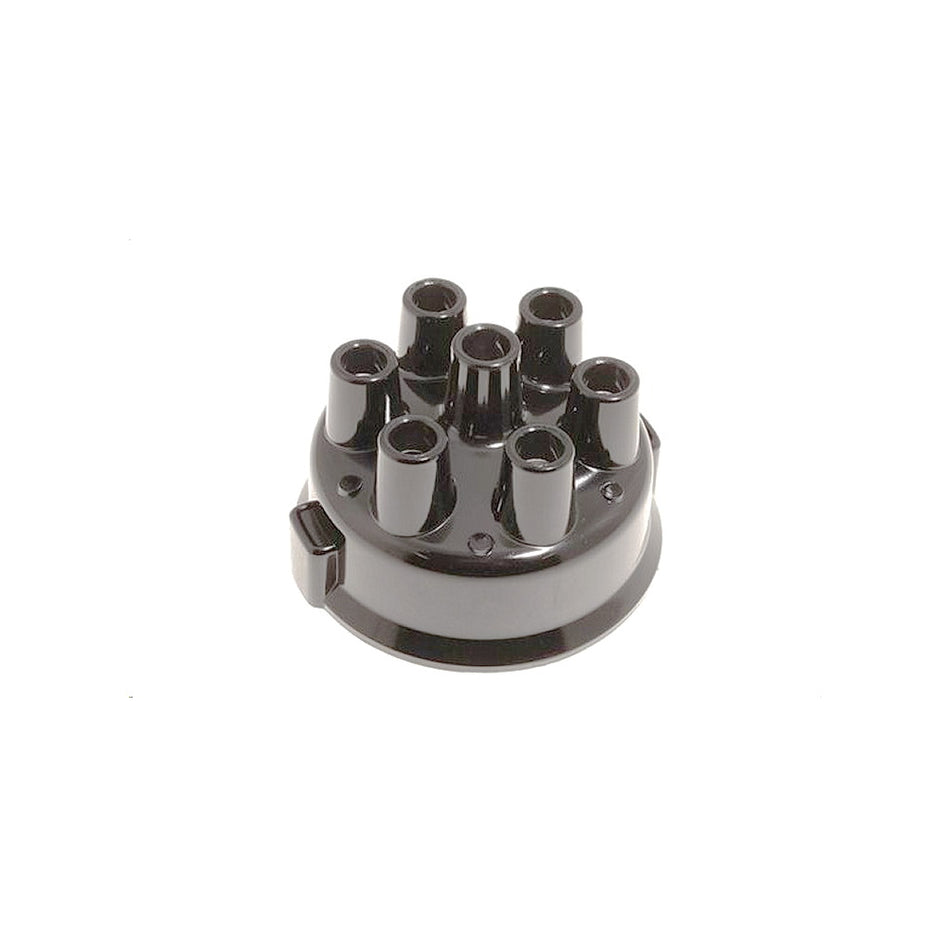
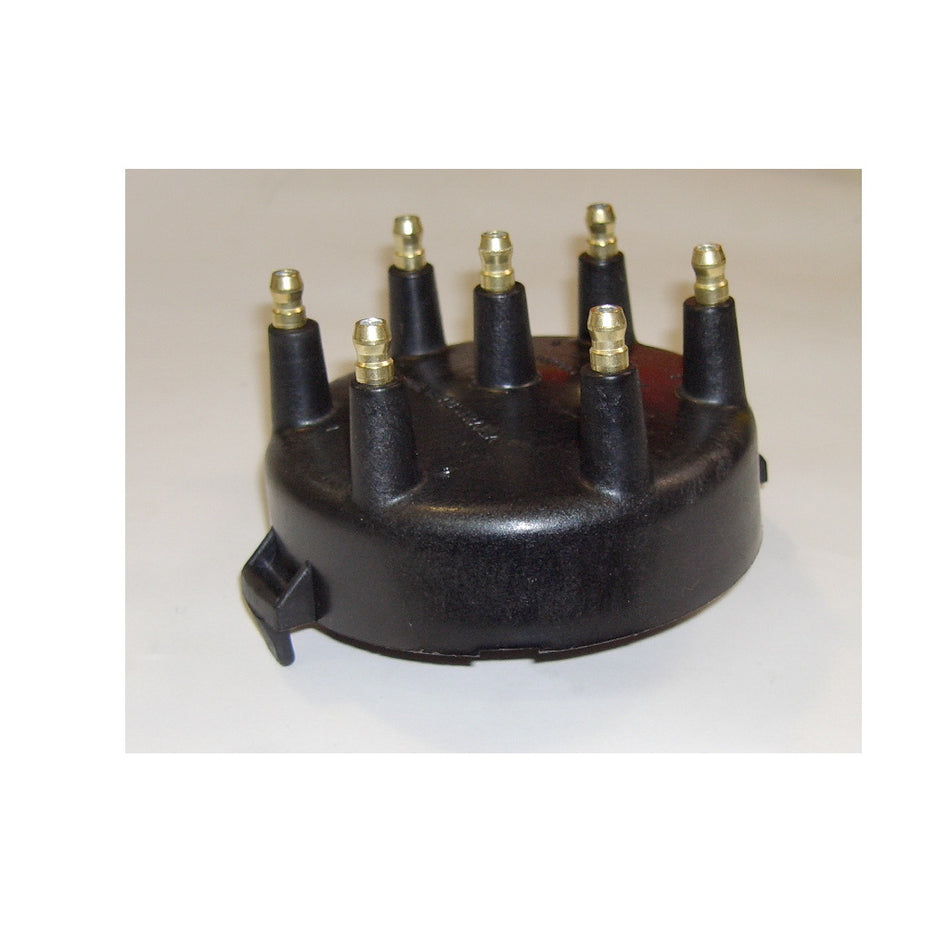
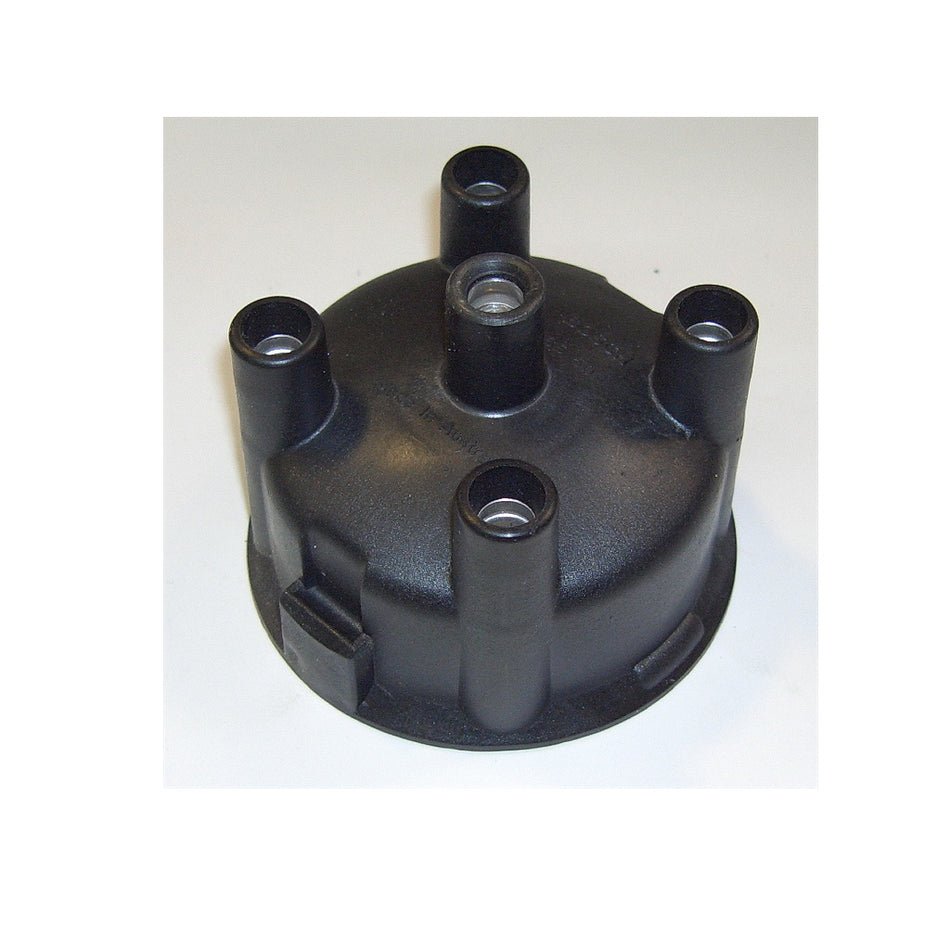
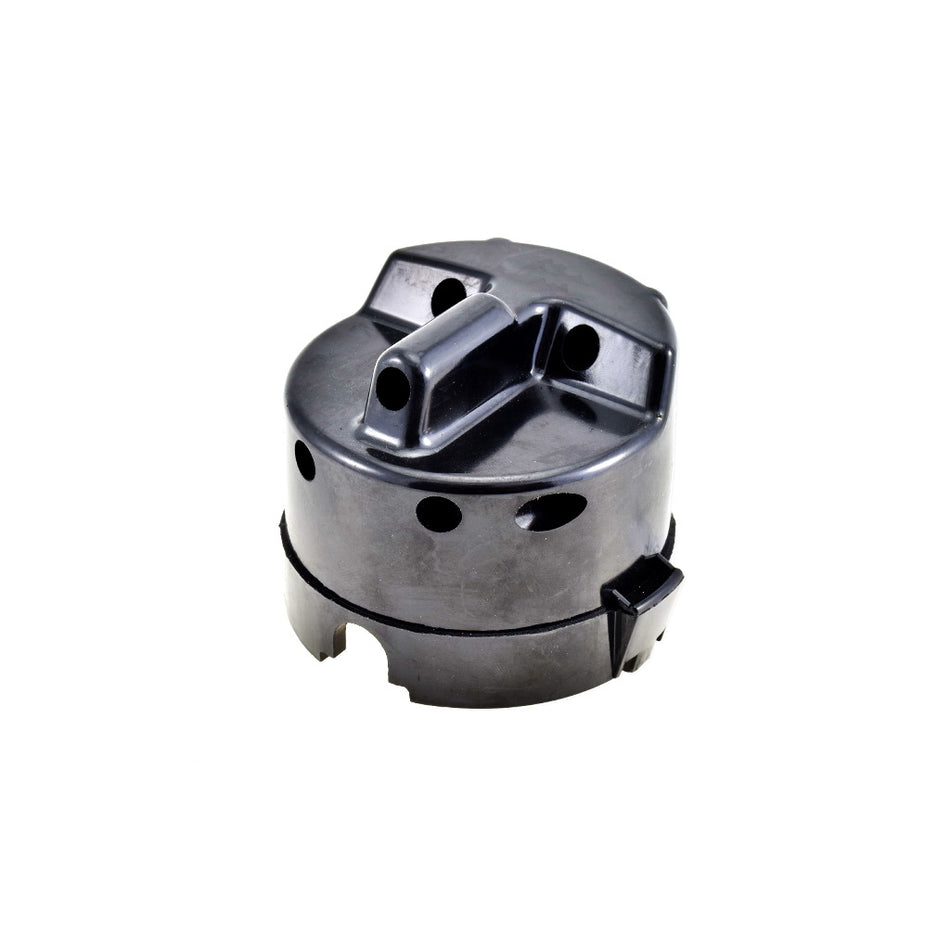
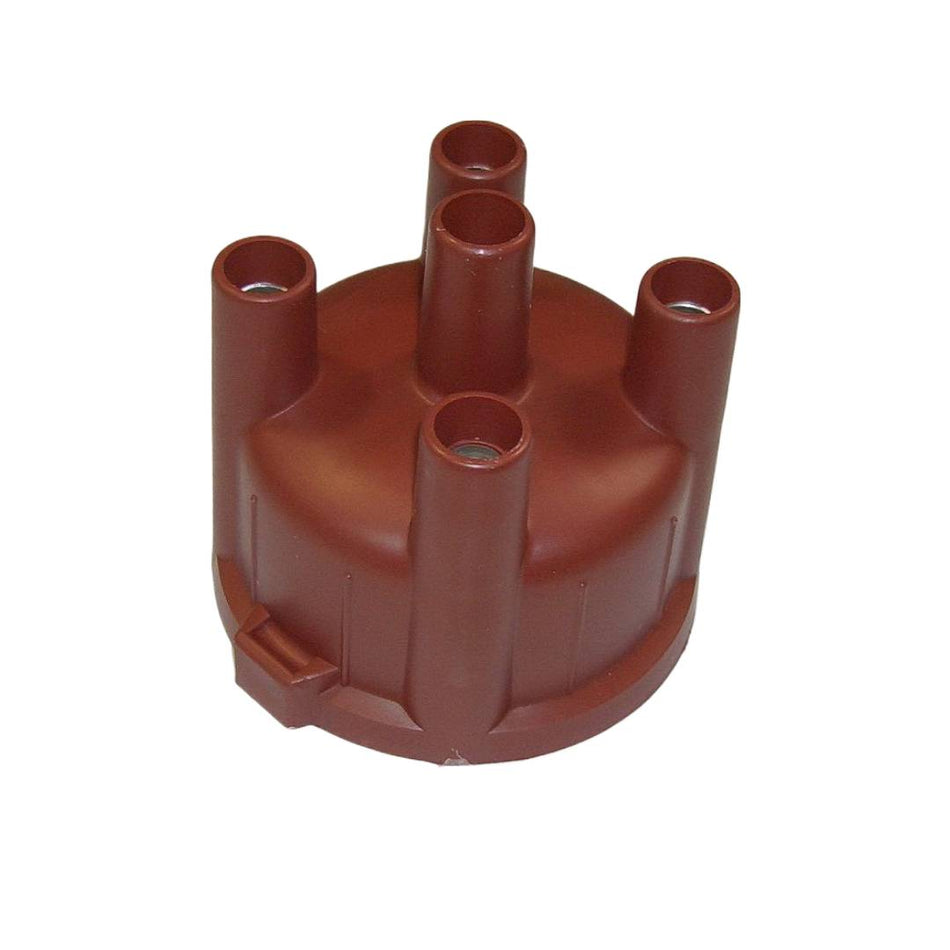
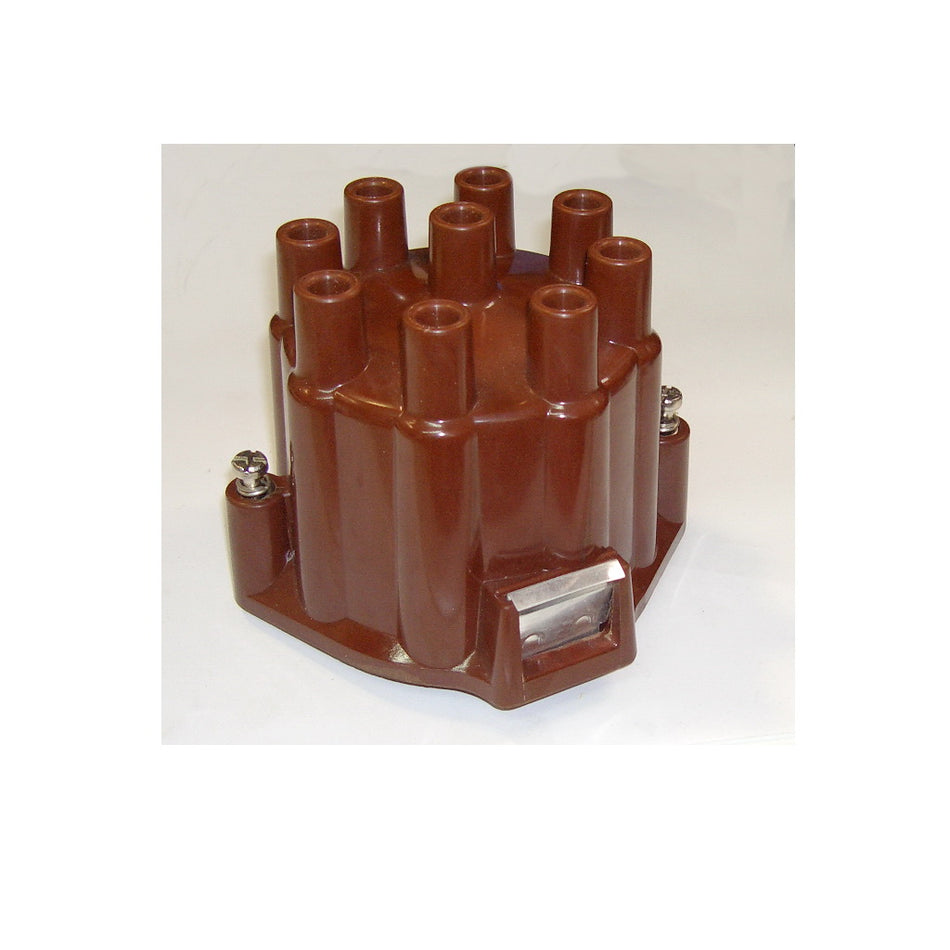
The distributor cap carries the spark from the rotor arm to each cylinder, so a cracked cap, carbon tracking or a corroded terminal shows up as misfires, hard starting and a rough idle — usually worse on damp mornings. Basis stocks distributor caps for classic cars from the 1920s through to the 1980s.

Match the cap to your distributor, not just the car: how the leads enter, how the cap is held down and the number of cylinders all vary, and many cars changed distributor part-way through production. Look inside the old cap for white or black tracks and worn terminals, and fit a new rotor arm at the same time.

Check before you order

  • Number of cylinders — 4, 6 or 8
  • Lead entry — top or side
  • Cap retention — spring clips or screws
  • Distributor make and number, usually on the body or a plate
  • Your car’s year — distributors changed mid-production
  • Replace the rotor arm with the cap

Stocked for 1920s to 1980s

  • 1920s

    Coil-and-distributor and magneto ignition side by side.

    Austin Seven · Morris Cowley · Ford Model T & A

  • 1930s

    Coil ignition becomes the norm on family cars.

    MG · Riley · Austin Ten · Ford Model Y

  • 1940s

    Post-war production restarts on pre-war ignition designs.

    Morris Minor · Austin A40 · Standard Vanguard

  • 1950s

    Centrifugal and vacuum advance distributors are standard.

    Ford Zephyr · MGA · Hillman Minx · Austin A35

  • 1960s

    Contact-breaker ignition in every volume car as 12-volt systems take over from 6-volt.

    Mini · MGB · Triumph Herald · Ford Cortina

  • 1970s–80s

    Last decade of points as standard, then electronic ignition takes over.

    Triumph Spitfire · Land Rover Series III · Mini

63 Products