- Built
- 1970 – June 1977, 25,939 built. Final chassis LD45722.
- Engine
-
2,997cc TRIUMPH V8 — not a Rover V8. Cast-iron block, aluminium alloy heads, single overhead camshaft per bank, chain driven, 86 × 64.5mm, twin Zenith-Stromberg. Around 145bhp. Used in no other car.
- Not the Rover V8
- The Rover unit is an all-alloy pushrod 3.5 litre from Buick. Different engine entirely. About 6 per cent of surviving Stags have had a non-Triumph V8 fitted — more often a Ford Essex than a Rover. Check under the bonnet.
- The cooling story
-
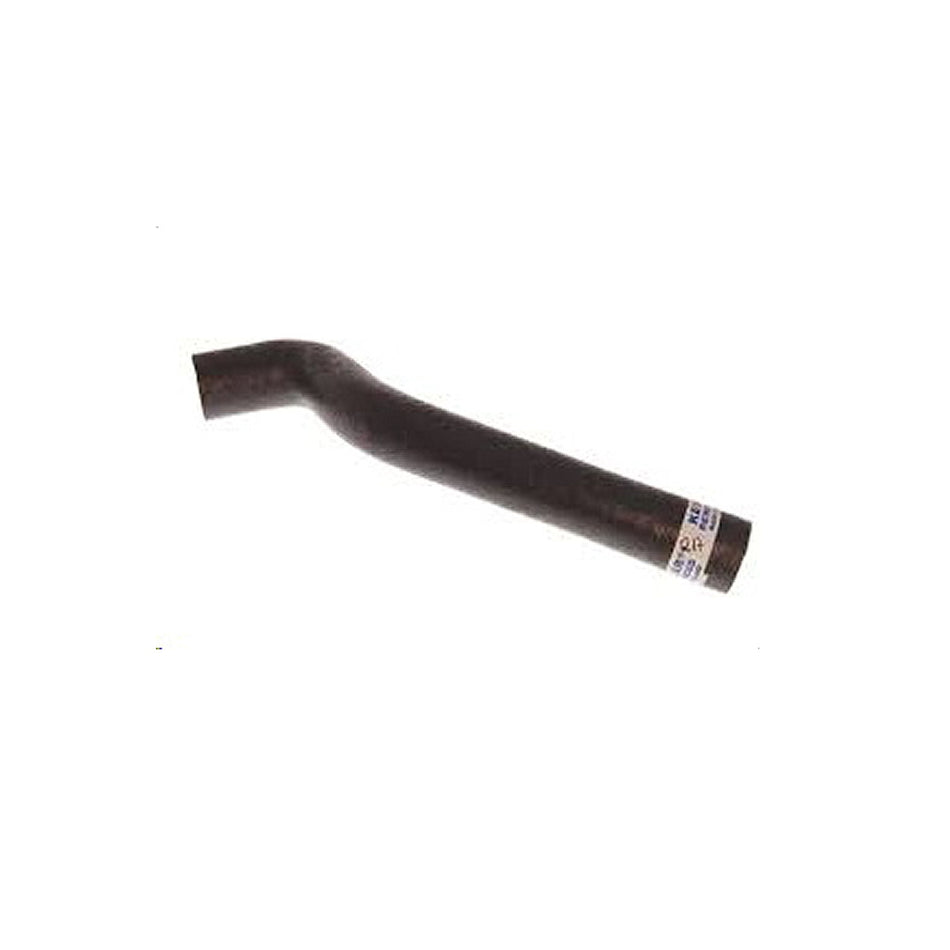
The water pump sits high in the vee, so the system can run with air trapped and the pump uncovered · coolant without corrosion inhibitor causes electrolytic corrosion between iron block and alloy heads, silting the radiator · casting sand left in some coolant passages · mismatched head studs distorting heads · timing chains stretch and want replacing every 25,000–30,000 miles.
- What actually fixes it
-
Corrosion-inhibited antifreeze, a radiator re-core or replacement roughly every ten years, and chains on schedule. A properly rebuilt and maintained Stag V8 will run past 150,000 miles.
- The T-bar
-
Structural on every Stag — the fixed B-pillar roll hoop joined to the windscreen frame. Not an option; the car was designed around it.
- Hard top
-
A factory option, body-colour, with heated rear screen, full headlining and lever-operated quarter windows. Some cars have both hood and hard top, some only one — check before quoting hard-top parts.
- Transmission
- Four-speed manual with Laycock overdrive, optional then standard from October 1972, or Borg-Warner Type 35 three-speed automatic, later Type 65.
- Suspension
- MacPherson struts at the front, semi-trailing arm independent rear.
- Relation to the slant four
- Conceived in 1963 as one modular family sharing tooling — an inline four and a V8 on common lines. Related by design, not interchangeable. The slant four was in a Saab before it was in a Triumph.