The best-selling MG of all — and a car whose badge tells you nothing about which engine is in it.
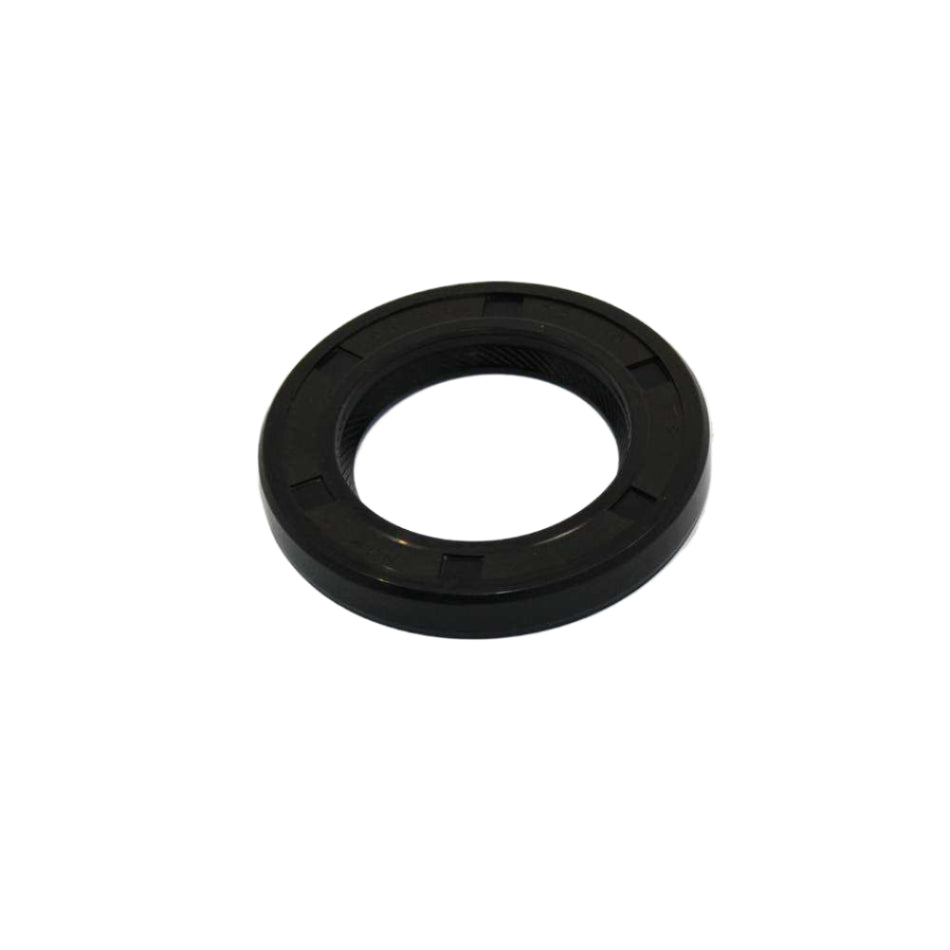
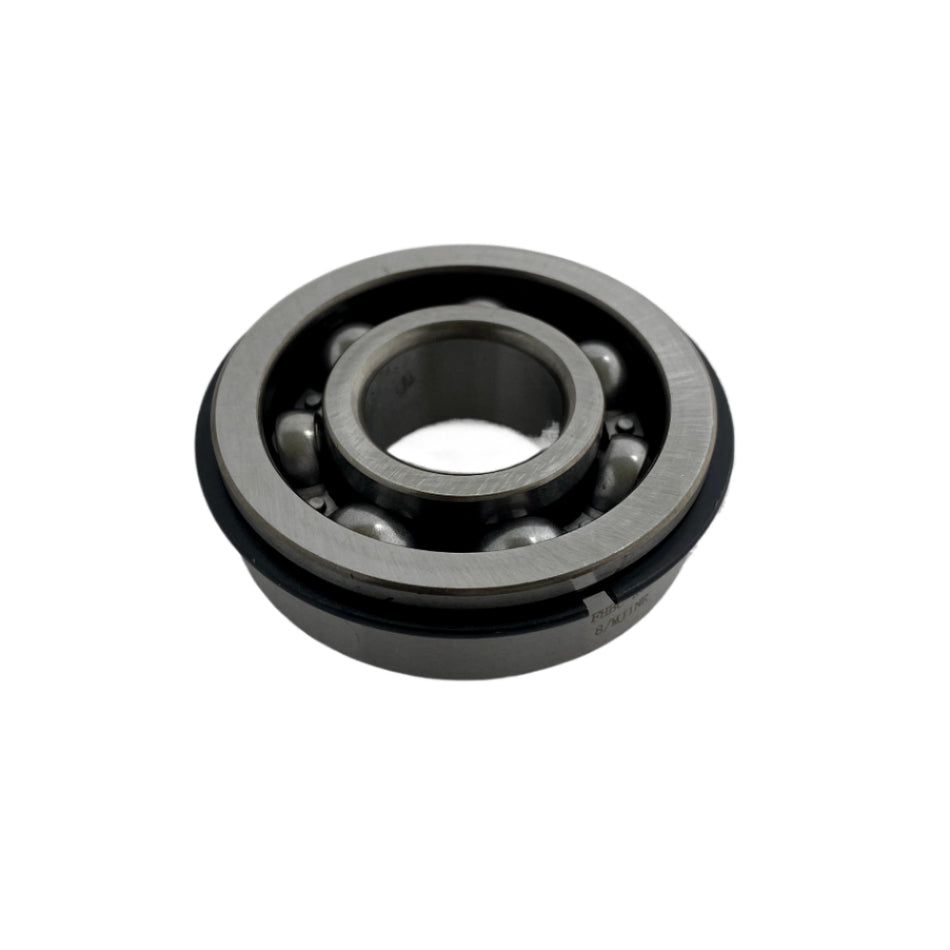
In October 1964 the MGB went from a three-bearing crankshaft to a five-bearing one, and the capacity did not change. It is still 1,798cc, still 80.26 × 88.90mm, so a customer reading “1800” learns nothing at all — they have to date the car. The five-bearing unit is the 18GB, shared with the Austin and Morris 1800, and the change affects the block, crankshaft, main bearings and caps, flywheel and the rear crankshaft oil seal. A three-bearing MGB is a distinct parts proposition. Two other early splits: pushbutton door handles replace the pull type in early 1965, and the rear axle goes from the MGA-derived banjo type to the tube type — GTs in 1967, all cars from 1968. Banjo and tube axles share nothing.
Brakes are constant throughout: Lockheed 10.75in front discs and 10in rear drums, with a servo optional to 1973 and standard after. Suspension is coil and wishbone at the front, live axle on semi-elliptic leaves at the rear, with Armstrong lever-arm dampers at both ends — the front damper doubles as the upper wishbone, and the MGB never had telescopic dampers as standard. The anti-roll bar story runs in three steps: a front bar became standard on roadsters in late 1966, it was deleted for 1975 as a cost saving, reinstated in 1976, and a rear bar became standard in 1977 with revised geometry. A pre-1977 MGB never had a rear bar from the factory.
Rubber bumpers arrive in the second half of 1974, and they bring more than bumpers: the suspension was raised 25mm to meet American headlamp height rules, which changes the front crossmember packing and spring geometry — rubber-bumper and chrome-bumper springs and crossmember setups are not the same. Then 1976 brought an electric radiator fan, the overdrive switch on the gearlever, a remodelled dashboard and a four-spoke wheel. On overdrive: it is Laycock de Normanville in two types, D-type early and LH-type later, both working on third and fourth until February 1977 when they went to fourth only. Worth knowing before you assume: 98 per cent of home-market and non-American export cars had overdrive, against 12 to 27 per cent of North American ones — and plenty of New Zealand cars came from America.
MGB — specification & changes within the model
- Built
- 1962–1980. Roadster 386,961 · GT 125,282. GT from October 1965.
- The crank split
-
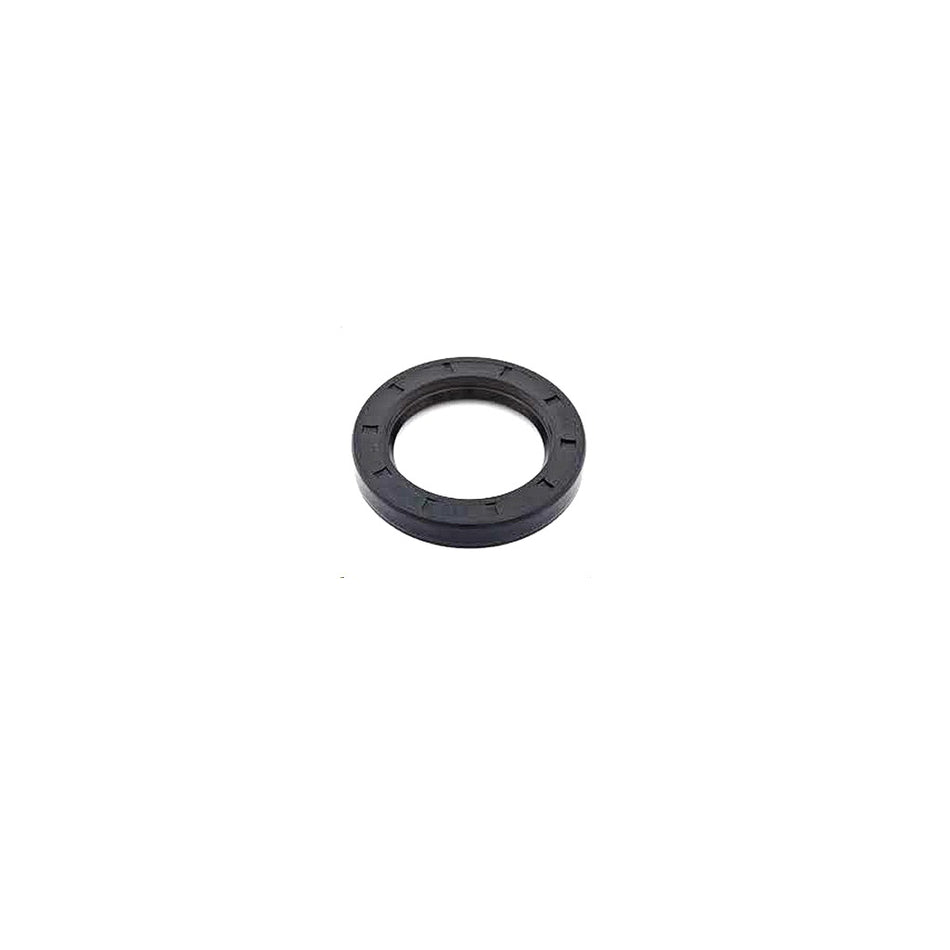
Three-bearing to five-bearing, October 1964. Capacity unchanged at 1,798cc, 80.26 × 88.90mm. The five-bearing unit is the 18GB, shared with the Austin and Morris 1800. Affects block, crank, mains and caps, flywheel and rear oil seal. 94bhp @ 5500 becomes 95bhp @ 5400; torque 107lb ft @ 3500 becomes 110 @ 3000.
- Brakes
-
Lockheed 10.75in front discs and 10in rear drums, throughout. Vacuum servo optional to 1973, standard after.
- Suspension
- Coil and wishbone front, live axle on semi-elliptic leaves rear. Armstrong lever-arm dampers front and rear — the front one is the upper wishbone. Never telescopic as standard.
- Anti-roll bars
-
Front bar standard on roadsters from late 1966 (GTs already had one) · deleted for 1975 · reinstated 1976 · rear bar standard from 1977 with revised geometry. No pre-1977 car had a rear bar.
- Rubber bumpers
-
Second half of 1974. Suspension raised 25mm for US headlamp height rules — front crossmember packing and spring geometry change with it. Chrome-bumper and rubber-bumper springs and crossmembers are not the same.
- Rear axle
- Early cars banjo type, MGA-derived. Tube type — designed for the MGC — on GTs from 1967 and all cars from 1968. They share nothing.
- Overdrive
- Laycock de Normanville. D-type early, LH-type later — sources disagree on the changeover date, so identify the unit rather than dating it. Third and fourth until February 1977, fourth only after. 98% of home and non-US export cars had it; 12–27% of North American cars did.
- Doors
- Pushbutton handles replace pull type in early 1965.
- Electrics
-
Mk II, autumn 1967: negative earth with an alternator in place of the dynamo, plus a Salisbury rear axle, padded dash and rocker switches. This is the one polarity change we can state as fact.
- Later cars
- 1976: electric radiator fan, overdrive switch on the gearlever, remodelled dashboard, four-spoke wheel. 1977: dashboard redesigned again.